


Ripple Highlights Importance of Multi-Asset Stablecoins for Payments
We have always followed the principles of transparency and clear information. Some of our content includes affiliate links, and we may earn a small commission through these partnerships. These partnerships do not influence our editorial independence or opinion. By using our site, you accept our privacy policy and terms and conditions.


A crypto casino and gaming specialist, Raj brings a digital native’s perspective to industry trends and provably fair systems. Having reviewed over 150 platforms, he…
Cryptocurrency is a high-risk asset class, and investing carries significant risk, including the potential loss of some or all of your investment. The information on this website is provided for informational and educational purposes only and does not constitute financial, investment, or gambling advice. Cryptowinx does not endorse any specific exchange or gaming platform. For more details, please read our terms and full disclaimer.
Cryptowinx navigates the digital asset universe with a dynamic, forward-looking vision. Throughout our evolution, we have followed every market cycle, from vertical rises to corrections, always remaining a solid point of reference for our community. Our team is made up of industry experts and analysts who experience the blockchain ecosystem daily: we constantly monitor Bitcoin’s stability, study the expansion of the Ethereum ecosystem, and analyze the new frontiers of crypto casinos. We are committed to absolute editorial integrity, separating the signal from the noise through rigorous fact-checking and multi-perspective news analysis. In a landscape where innovations emerge in moments, our mission is to simplify complex concepts and offer transparency into what is established and what is still experimental.
Learn more Cryptowinx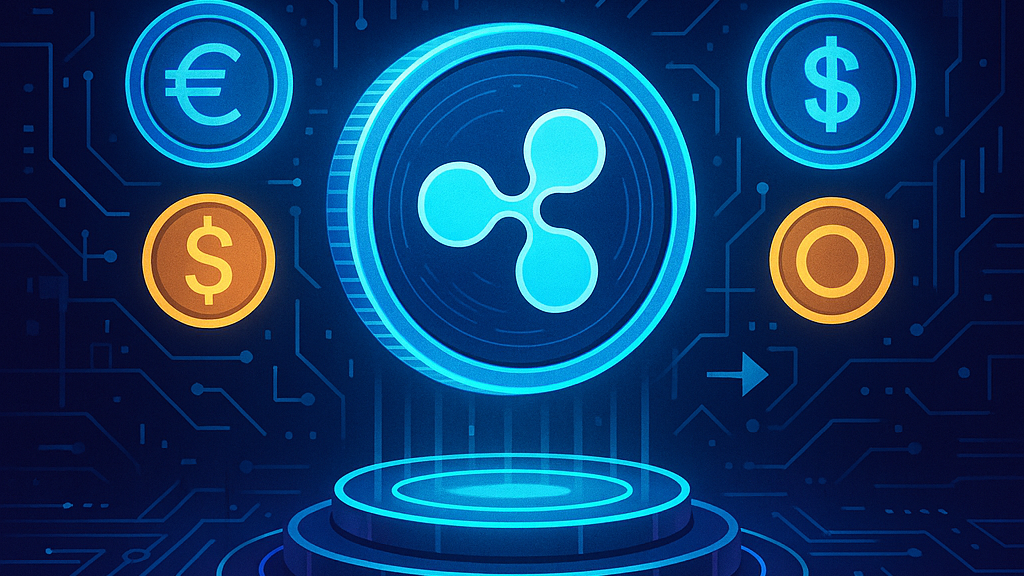
The landscape of stablecoin transactions is evolving, with a significant shift towards multi-asset frameworks as usage increases worldwide. Ripple has pointed out that organizations utilizing infrastructure that supports a variety of assets are at an advantage as market acceptance rises.
As the demand for cross-border settlements continues to grow, Ripple emphasizes that institutions are increasingly adopting strategies involving multiple stablecoins. This trend reflects the necessity for adaptable systems capable of handling diverse payment methods, which is crucial for meeting global transaction needs effectively.

Various markets are seeing an uptick in the use of stablecoins like RLUSD and USDC, indicating a broader acceptance of these digital currencies in everyday transactions. This shift not only facilitates smoother operations but also enhances liquidity in the financial ecosystem.
Ripple’s insights suggest that as more organizations recognize the advantages of integrating multi-asset capabilities, they are better positioned to navigate the complexities of international payments. The company’s stance underscores the potential for these systems to play a pivotal role in the future of financial transactions.
Moreover, the synergy created between different stablecoins can lead to a more resilient financial infrastructure, catering to the increasing demands for speed and efficiency in payments. Ultimately, the growth of multi-asset stablecoin strategies may redefine the way institutions approach global settlements.

In conclusion, the emphasis on multi-asset infrastructures by Ripple indicates a transformative period for stablecoin usage, suggesting that flexible payment solutions will be essential for organizations aiming to thrive in the rapidly changing financial landscape.
Leave the reaction
Raj Patel












Commentaries
Add your comment
Fill in necessary fields and publish