


Iran’s Upcoming Peace Proposal Could Impact Crypto Markets
We have always followed the principles of transparency and clear information. Some of our content includes affiliate links, and we may earn a small commission through these partnerships. These partnerships do not influence our editorial independence or opinion. By using our site, you accept our privacy policy and terms and conditions.


Financial services expert with over three years of experience monitoring cryptocurrency markets and blockchain innovation. Passionate about digital assets and the decentralized future.
Cryptocurrency is a high-risk asset class, and investing carries significant risk, including the potential loss of some or all of your investment. The information on this website is provided for informational and educational purposes only and does not constitute financial, investment, or gambling advice. Cryptowinx does not endorse any specific exchange or gaming platform. For more details, please read our terms and full disclaimer.
Cryptowinx navigates the digital asset universe with a dynamic, forward-looking vision. Throughout our evolution, we have followed every market cycle, from vertical rises to corrections, always remaining a solid point of reference for our community. Our team is made up of industry experts and analysts who experience the blockchain ecosystem daily: we constantly monitor Bitcoin’s stability, study the expansion of the Ethereum ecosystem, and analyze the new frontiers of crypto casinos. We are committed to absolute editorial integrity, separating the signal from the noise through rigorous fact-checking and multi-perspective news analysis. In a landscape where innovations emerge in moments, our mission is to simplify complex concepts and offer transparency into what is established and what is still experimental.
Learn more Cryptowinx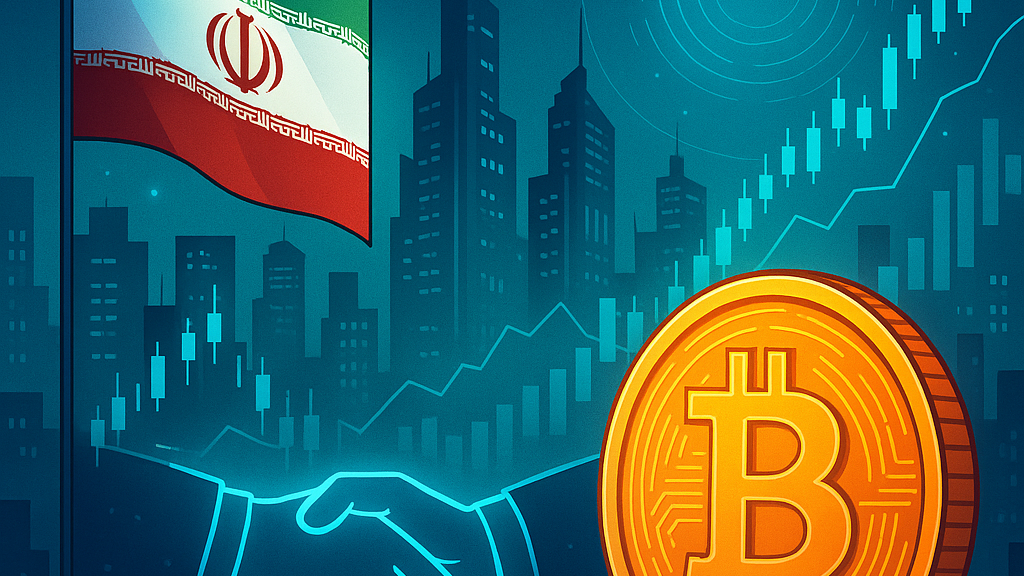
The geopolitical landscape may shift soon as Iran prepares to present a revised peace proposal. This new development could influence oil markets, potentially lowering the existing risk premium and impacting cryptocurrencies like Bitcoin and Ethereum.
Sources indicate that Iran’s anticipated proposal is part of ongoing discussions regarding ceasefires, sanctions relief, and security measures in the strategically vital Strait of Hormuz. The adjustment to Iran’s demands comes after past negotiations faced pushback from Western powers, who viewed some of Tehran’s demands as overly ambitious.

New conversations suggest both Iran and the United States recognize the importance of maintaining open channels for dialogue. However, key tensions remain, and any indications that the proposal falls short of U.S. requirements could quickly reverse any optimism generated by this initiative.
The potential for a revised peace agreement carries implications for financial markets, particularly for Bitcoin and Ethereum. The crypto market has displayed sensitivity to geopolitical developments, and a credible peace proposal may compress the so-called “war premium” that has been priced into oil and other financial assets. A genuine move towards a ceasefire could lead to a decrease in energy volatility, which generally supports the risk appetite for high-beta assets.
If traders perceive Iran’s actions as credible progress, it may lead to a weaker U.S. dollar and tighter credit spreads, creating a more favorable environment for cryptocurrencies. Bitcoin, viewed increasingly as a macro-sensitive asset rather than merely a store of value, could see price increases alongside a reduction in geopolitical tensions. Ethereum, with its higher sensitivity to market liquidity, might experience even greater fluctuations in response to positive news.

Nonetheless, the ongoing volatility in the market necessitates caution. Should the new proposal be seen as mainly superficial or if U.S. officials dismiss its merits, there is a substantial risk that market sentiment could shift back towards a more cautious stance. Historically, Ethereum has shown weaker performance than Bitcoin during periods of market de-risking.
For traders, the essential takeaway is to view the impending announcement of Iran’s peace proposal as a potential catalyst for market volatility rather than a definitive resolution to ongoing tensions. The crypto landscape remains intricately tied to developments in geopolitical negotiation, and until a substantial, enforceable agreement is secured, the prospects for Bitcoin and Ethereum will continue to react sharply to news from both Tehran and Washington.
Leave the reaction
Gregory Russell








Commentaries
Add your comment
Fill in necessary fields and publish