


Bitcoin Under Siege: The BIP-361 Dilemma Explored
We have always followed the principles of transparency and clear information. Some of our content includes affiliate links, and we may earn a small commission through these partnerships. These partnerships do not influence our editorial independence or opinion. By using our site, you accept our privacy policy and terms and conditions.


James Mitchell combines investment banking with cryptocurrency journalism to analyze the institutional adoption of digital assets. Specializing in ETFs and regulation, he translates complex developments…
Cryptocurrency is a high-risk asset class, and investing carries significant risk, including the potential loss of some or all of your investment. The information on this website is provided for informational and educational purposes only and does not constitute financial, investment, or gambling advice. Cryptowinx does not endorse any specific exchange or gaming platform. For more details, please read our terms and full disclaimer.
Cryptowinx navigates the digital asset universe with a dynamic, forward-looking vision. Throughout our evolution, we have followed every market cycle, from vertical rises to corrections, always remaining a solid point of reference for our community. Our team is made up of industry experts and analysts who experience the blockchain ecosystem daily: we constantly monitor Bitcoin’s stability, study the expansion of the Ethereum ecosystem, and analyze the new frontiers of crypto casinos. We are committed to absolute editorial integrity, separating the signal from the noise through rigorous fact-checking and multi-perspective news analysis. In a landscape where innovations emerge in moments, our mission is to simplify complex concepts and offer transparency into what is established and what is still experimental.
Learn more Cryptowinx
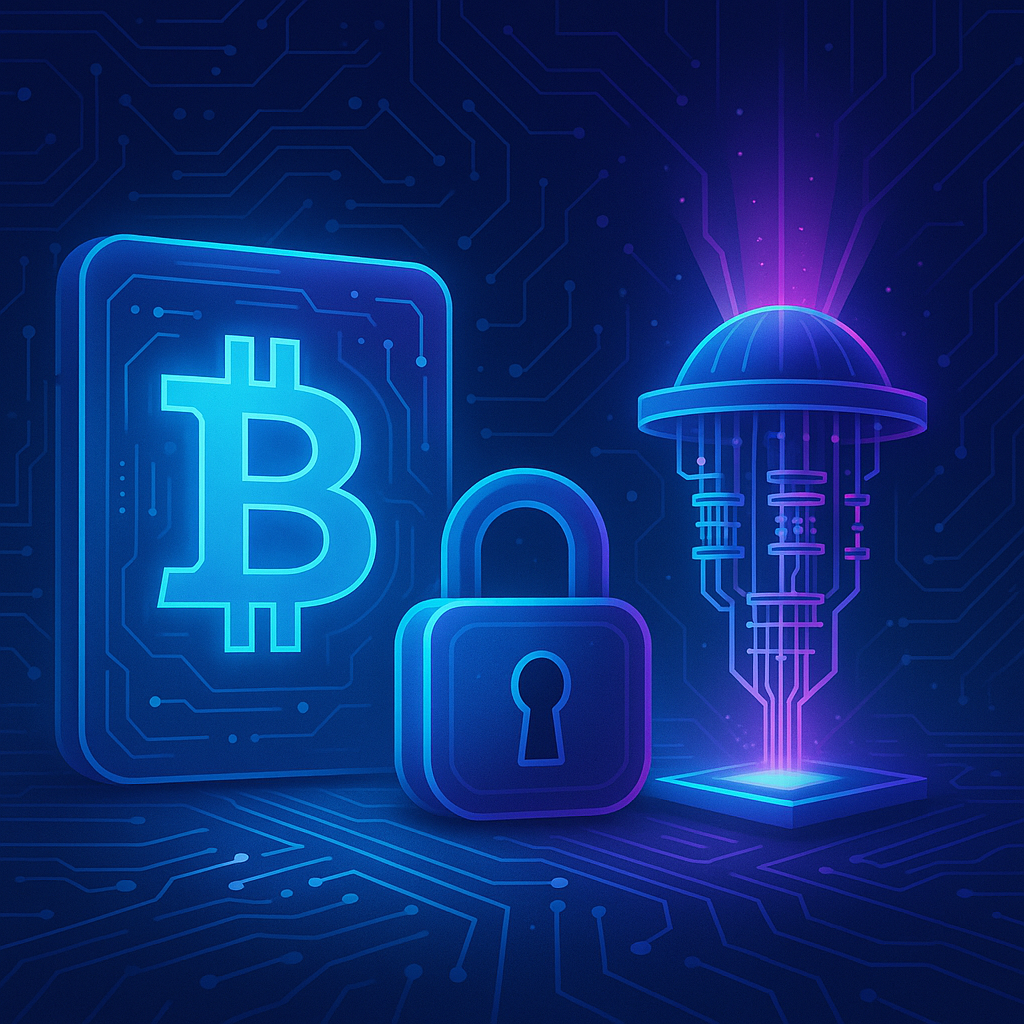
The ongoing discourse surrounding BIP-361 reveals a significant division within the bitcoin community, reflecting deep philosophical concerns about the cryptocurrency’s future. At the heart of the debate is a proposed mechanism aimed at safeguarding bitcoin from the potential threats posed by quantum computing, projected to become a viable concern between 2027 and 2030 according to experts.
Proponents of BIP-361 assert that the initiative is necessary to halt what they term a “silent drain” of assets, facilitated by quantum-capable actors. In contrast, critics, including Frederic Fosco, underscore the inherent dangers of such measures, arguing that the proposal infringes upon bitcoin’s foundational principle of absolute ownership.

Fosco articulates a warning that freezing a substantial portion—estimated to be between 30% to 35%—of bitcoin’s supply would undermine its perceived value as digital gold. He expresses skepticism about the so-called “scarcity pump” that proponents tout, suggesting that the rationale behind this argument serves to distract from a more troubling transformation in the social contract of bitcoin.
Essentially, this proposal revolves around a fundamental issue: whether bitcoin remains a bastion of property rights or whether it becomes subject to the changing whims of its developers. The community is faced with the stark realization that a shift towards mandatory freezing of coins could alter the essence of bitcoin, reducing it to something far less appealing.
Fosco points to the possible consequences of BIP-361, explaining that if users lose their ability to transact freely, the very appeal of bitcoin as a non-restrictive asset could vanish. He emphasizes that the underlying value of bitcoin comes from its immutability and its reputation as unstoppable money. Should the network adopt practices allowing for the freezing of wallets, it may inadvertently transform into a governance system rather than a decentralized financial asset.
To address the issues posed by quantum security without implementing drastic freezes, critics advocate for alternative solutions. Technologies such as BIP-360 and new post-quantum signature schemes have been suggested as means to promote user sovereignty while ensuring safety. Fosco strongly endorses this approach, arguing that individuals should be free to make their own choices regarding their assets rather than be coerced by consensus rules.

The apprehension surrounding BIP-361 highlights a larger ideological struggle within the bitcoin ecosystem. If the protocol permits the manipulation of unspent transaction outputs (UTXOs) based on arbitrary criteria, it risks slipping into a paradigm more akin to traditional finance, where asset freezing is commonplace.
In the shadow of the anticipated advancements in quantum computing, the community faces a critical choice: whether to commit to a governance model that could compromise bitcoin’s core principles or to safeguard the integrity that has made it appealing in the first place. Fosco encapsulates this dilemma succinctly: the potential for temporary supply shocks cannot outweigh the long-term implications for bitcoin’s identity.
As discussions continue, it is clear that the stakes are high, not merely in terms of technical specifications, but for the very philosophy that underpins the bitcoin movement. The community must carefully weigh the need for security against the foundational belief in personal freedom and property rights, as the future of bitcoin hangs in the balance.
Leave the reaction
James Mitchell










Commentaries
Add your comment
Fill in necessary fields and publish