


Traders Retreat as Bitcoin Faces Pressure Amid Ongoing Conflict
We have always followed the principles of transparency and clear information. Some of our content includes affiliate links, and we may earn a small commission through these partnerships. These partnerships do not influence our editorial independence or opinion. By using our site, you accept our privacy policy and terms and conditions.


A crypto casino and gaming specialist, Raj brings a digital native’s perspective to industry trends and provably fair systems. Having reviewed over 150 platforms, he…
Cryptocurrency is a high-risk asset class, and investing carries significant risk, including the potential loss of some or all of your investment. The information on this website is provided for informational and educational purposes only and does not constitute financial, investment, or gambling advice. Cryptowinx does not endorse any specific exchange or gaming platform. For more details, please read our terms and full disclaimer.
Cryptowinx navigates the digital asset universe with a dynamic, forward-looking vision. Throughout our evolution, we have followed every market cycle, from vertical rises to corrections, always remaining a solid point of reference for our community. Our team is made up of industry experts and analysts who experience the blockchain ecosystem daily: we constantly monitor Bitcoin’s stability, study the expansion of the Ethereum ecosystem, and analyze the new frontiers of crypto casinos. We are committed to absolute editorial integrity, separating the signal from the noise through rigorous fact-checking and multi-perspective news analysis. In a landscape where innovations emerge in moments, our mission is to simplify complex concepts and offer transparency into what is established and what is still experimental.
Learn more Cryptowinx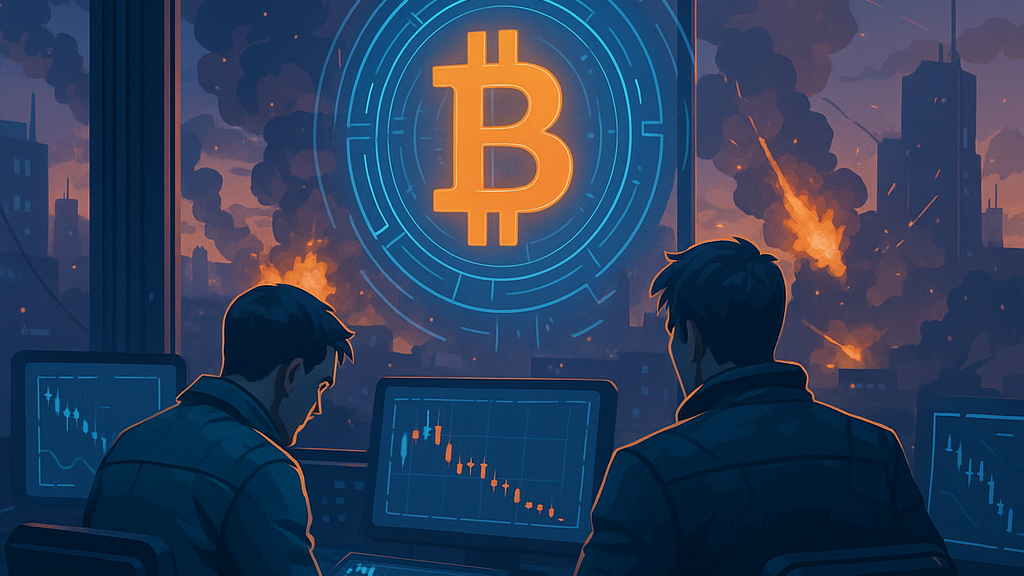
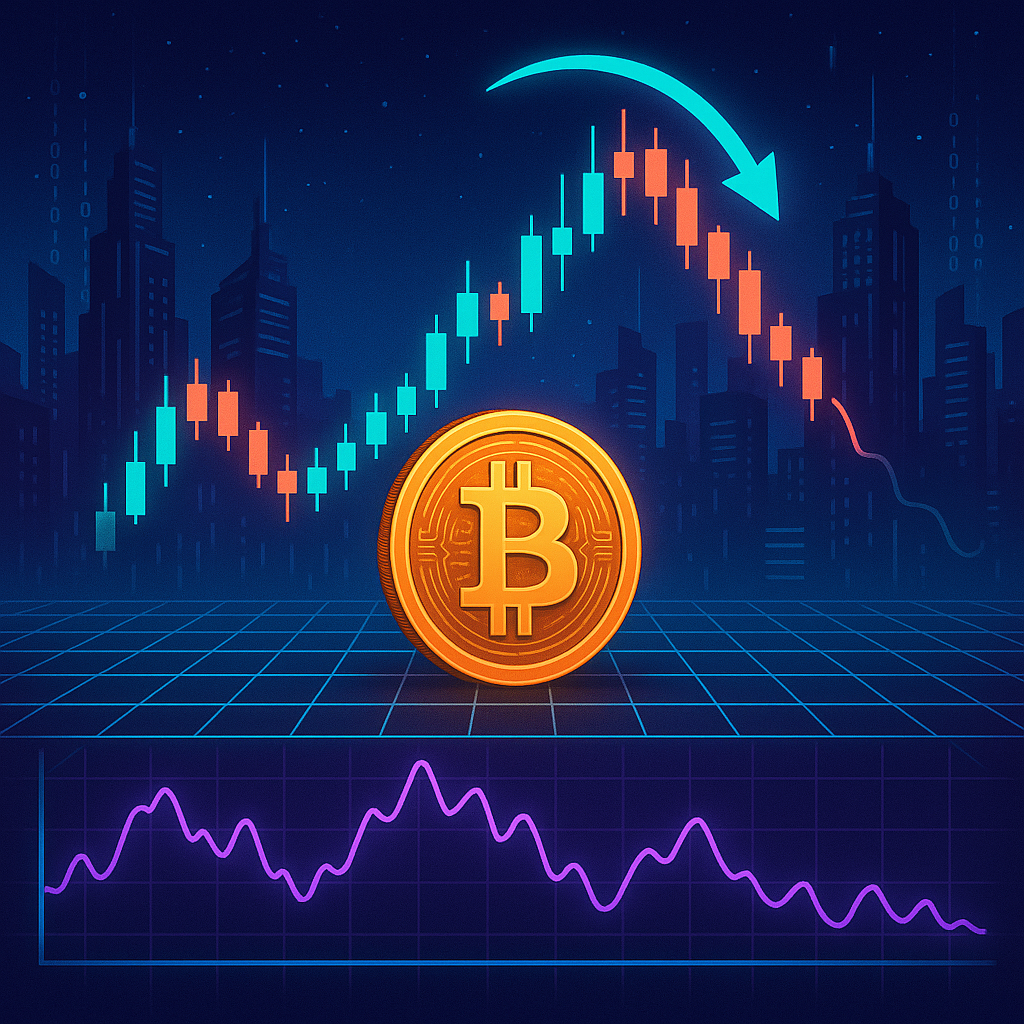
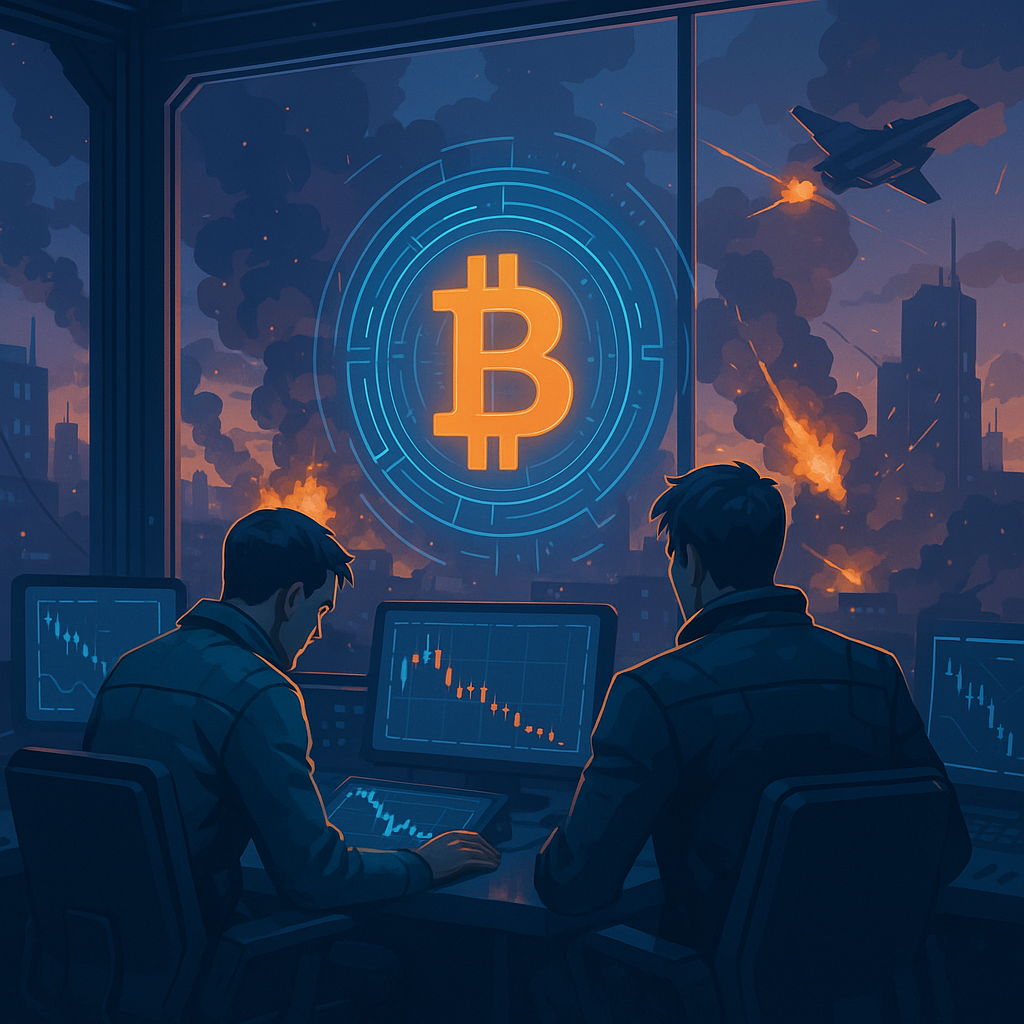
The ongoing war in the Middle East is profoundly impacting the financial landscape, leading many traders to adopt a cautious approach. Bitcoin (BTC), which has seen considerable fluctuation, has dropped nearly 5% as portfolio managers and investors recalibrate their risk exposure.
As the conflict persists, particularly between the US and Israel-Iran, capital is pulling out from both Bitcoin and various equity exchange-traded funds (ETFs). This shift reflects a broader trend, as volatility in the geopolitical arena has prompted a significant retreat from riskier assets.

Recent data highlights a staggering $64 billion withdrawal from major ETFs, particularly the S&P 500 and Nasdaq 100, over the past three months. This marks the highest outflow on record and starkly contrasts the $50 billion influx recorded in November, now accounting for 5% of total assets under management.
Bitcoin ETFs have not been immune to this trend, encountering $253 million in outflows within just two days. Even though the monthly flows show a positive figure of $1.48 billion, the cumulative outflows amount to $6.3 billion since February, illustrating the delicate state of investor confidence.
Market analytics from Glassnode indicate that selling pressure is outpacing the market’s ability to absorb trades, as realized profits peaked briefly before declining once more. As a result, the Bitcoin price has retreated below the $70,000 mark. Glassnode pointed out that escalating geopolitical tensions are constraining demand, creating a challenging environment for asset recovery.
Traders are drawing comparisons between the current situation and previous geopolitical crises, such as the Russia-Ukraine conflict that began earlier in the year. Historical analyses suggest a pattern where Bitcoin initially sells off amidst crises but may recover momentarily before entering a prolonged stabilization phase.

Notably, Bitcoin surged nearly 10% at one point last week after the onset of the current conflict but has since lost that momentum. Analysts attribute this stagnation to persistent liquidity issues and rising fuel costs, which are adversely affecting demand for the cryptocurrency.
Some market watchers have suggested that Bitcoin might eventually find its footing after reaching a lower threshold, speculating around $55,000. A cautious investor noted that the resolution of the Iran conflict is critical for Bitcoin’s ascent, indicating a prevailing atmosphere of risk aversion that has significantly hampered the market, with the S&P losing trillions in capitalization.
As investors navigate this turbulent landscape, the outlook remains uncertain. The intersection of geopolitical crises and market dynamics is likely to continue influencing Bitcoin and stock prices, leading to a challenging few weeks ahead for traders and investors alike.
Leave the reaction
Raj Patel








Commentaries
Add your comment
Fill in necessary fields and publish