


Oil Prices Surge Past $100 as Crypto Faces Inflation Concerns
We have always followed the principles of transparency and clear information. Some of our content includes affiliate links, and we may earn a small commission through these partnerships. These partnerships do not influence our editorial independence or opinion. By using our site, you accept our privacy policy and terms and conditions.


A presale and tokenomics specialist, Sofia evaluates new crypto projects with the analytical rigor of her Bocconi background. Having reviewed over 200 launches, she excels…
Cryptocurrency is a high-risk asset class, and investing carries significant risk, including the potential loss of some or all of your investment. The information on this website is provided for informational and educational purposes only and does not constitute financial, investment, or gambling advice. Cryptowinx does not endorse any specific exchange or gaming platform. For more details, please read our terms and full disclaimer.
Cryptowinx navigates the digital asset universe with a dynamic, forward-looking vision. Throughout our evolution, we have followed every market cycle, from vertical rises to corrections, always remaining a solid point of reference for our community. Our team is made up of industry experts and analysts who experience the blockchain ecosystem daily: we constantly monitor Bitcoin’s stability, study the expansion of the Ethereum ecosystem, and analyze the new frontiers of crypto casinos. We are committed to absolute editorial integrity, separating the signal from the noise through rigorous fact-checking and multi-perspective news analysis. In a landscape where innovations emerge in moments, our mission is to simplify complex concepts and offer transparency into what is established and what is still experimental.
Learn more Cryptowinx
Recent developments in the oil market have led to significant price increases, with Brent crude surpassing $104 per barrel and West Texas Intermediate nearing $97. This spike, more than 70% since early January, is primarily driven by geopolitical tensions surrounding the Strait of Hormuz, where approximately 20% of global oil supply passes through.
The Trump administration has responded to this acute market condition by issuing a temporary waiver of the Jones Act for 60 days. This allows foreign vessels to transport energy resources such as crude oil and natural gas among U.S. ports—something typically restricted by the act, which mandates that such transport be conducted by U.S.-flagged ships.

This waiver is a rare move, usually reserved for extraordinary circumstances, and aims to alleviate some pressure on domestic energy prices. However, estimates suggest that the relief it provides, particularly for gasoline prices, may be limited.
The backdrop for this waiver is the ongoing conflict between U.S. and Israeli forces and Iran, which has led to increased hostilities that have effectively blockaded the Strait of Hormuz. Since the beginning of this conflict in late February, Middle Eastern oil exports have plummeted by over 60%, forcing producers to cut back operations significantly.
Insurance costs for vessels navigating these regions have skyrocketed, making it economically unfeasible for many to transport oil. As a result, over 50 million barrels of crude remain trapped in floating storage, further complicating market dynamics.
On the trading floor, Brent crude futures have shown a clear upward trend, with analysts warning that prices may continue to rise as long as the blockade persists. The significant rise in oil prices has also fed into broader economic concerns, particularly regarding inflation. The latest Producer Price Index readings indicate a worrying trend, complicating the possibility of imminent interest rate cuts by the Federal Reserve.

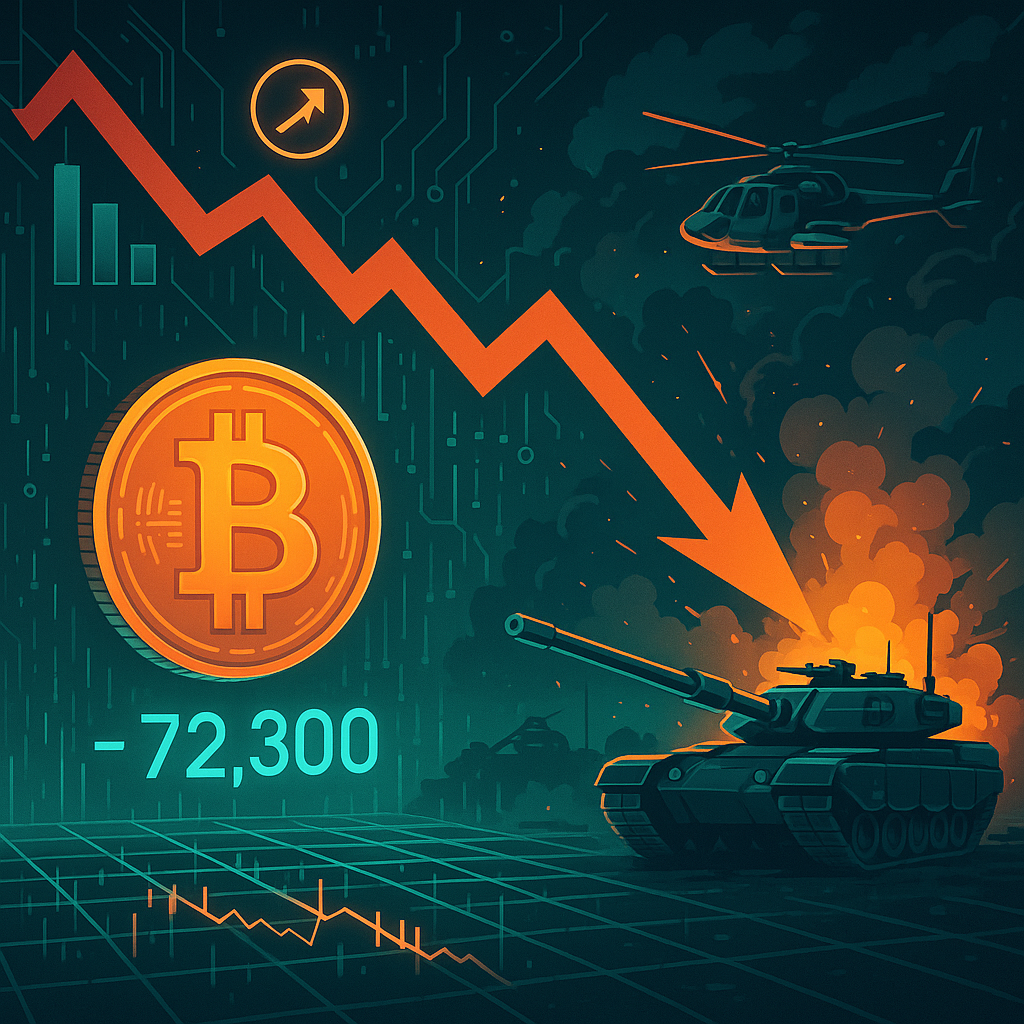
For the cryptocurrency market, the implications are stark. Rising oil prices contribute to persistent inflation pressures, diverting investor attention away from riskier assets like cryptocurrencies. This situation raises questions about the future trajectory of digital currencies, as they are often sensitive to macroeconomic conditions.
In summary, the intertwining crises in global oil supply and rising inflation pose challenges for both traditional financial markets and emerging digital assets. As policymakers try to navigate these turbulent waters, the long-term effects on both energy and cryptocurrency sectors remain to be seen.
Leave the reaction
Sofia Russo











Commentaries
Add your comment
Fill in necessary fields and publish