


Market Volatility Shapes Bitcoin and XRP Amid New Crypto Trends
We have always followed the principles of transparency and clear information. Some of our content includes affiliate links, and we may earn a small commission through these partnerships. These partnerships do not influence our editorial independence or opinion. By using our site, you accept our privacy policy and terms and conditions.


Financial services expert with over three years of experience monitoring cryptocurrency markets and blockchain innovation. Passionate about digital assets and the decentralized future.
Cryptocurrency is a high-risk asset class, and investing carries significant risk, including the potential loss of some or all of your investment. The information on this website is provided for informational and educational purposes only and does not constitute financial, investment, or gambling advice. Cryptowinx does not endorse any specific exchange or gaming platform. For more details, please read our terms and full disclaimer.
Cryptowinx navigates the digital asset universe with a dynamic, forward-looking vision. Throughout our evolution, we have followed every market cycle, from vertical rises to corrections, always remaining a solid point of reference for our community. Our team is made up of industry experts and analysts who experience the blockchain ecosystem daily: we constantly monitor Bitcoin’s stability, study the expansion of the Ethereum ecosystem, and analyze the new frontiers of crypto casinos. We are committed to absolute editorial integrity, separating the signal from the noise through rigorous fact-checking and multi-perspective news analysis. In a landscape where innovations emerge in moments, our mission is to simplify complex concepts and offer transparency into what is established and what is still experimental.
Learn more Cryptowinx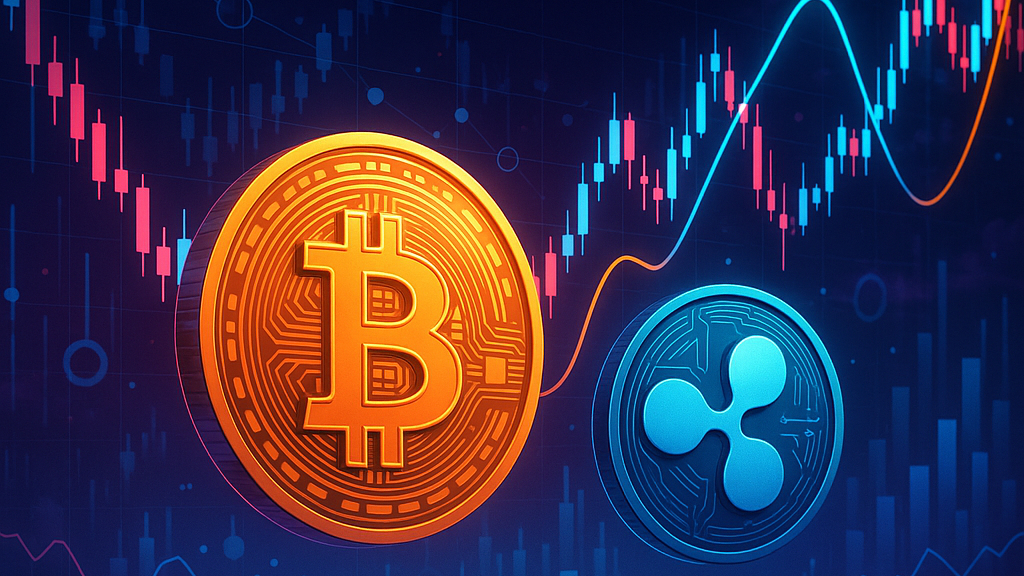
As 2026 unfolds, the global financial landscape is experiencing notable volatility, primarily driven by a significant uptick in energy prices. Recently, Murban crude oil prices surpassed the $100 threshold, raising alarm among economists regarding potential inflation and central bank responses. Industry experts attribute this rise to ongoing geopolitical tensions in the Middle East, which have disrupted key oil transport routes.
These developments invariably impact the cryptocurrency market, where liquidity remains a crucial factor. When commodity prices climb, central banks may opt to maintain higher interest rates for an extended period, constraining liquidity. This tighter financial environment often leads to swift adjustments in the prices of speculative assets like cryptocurrencies.

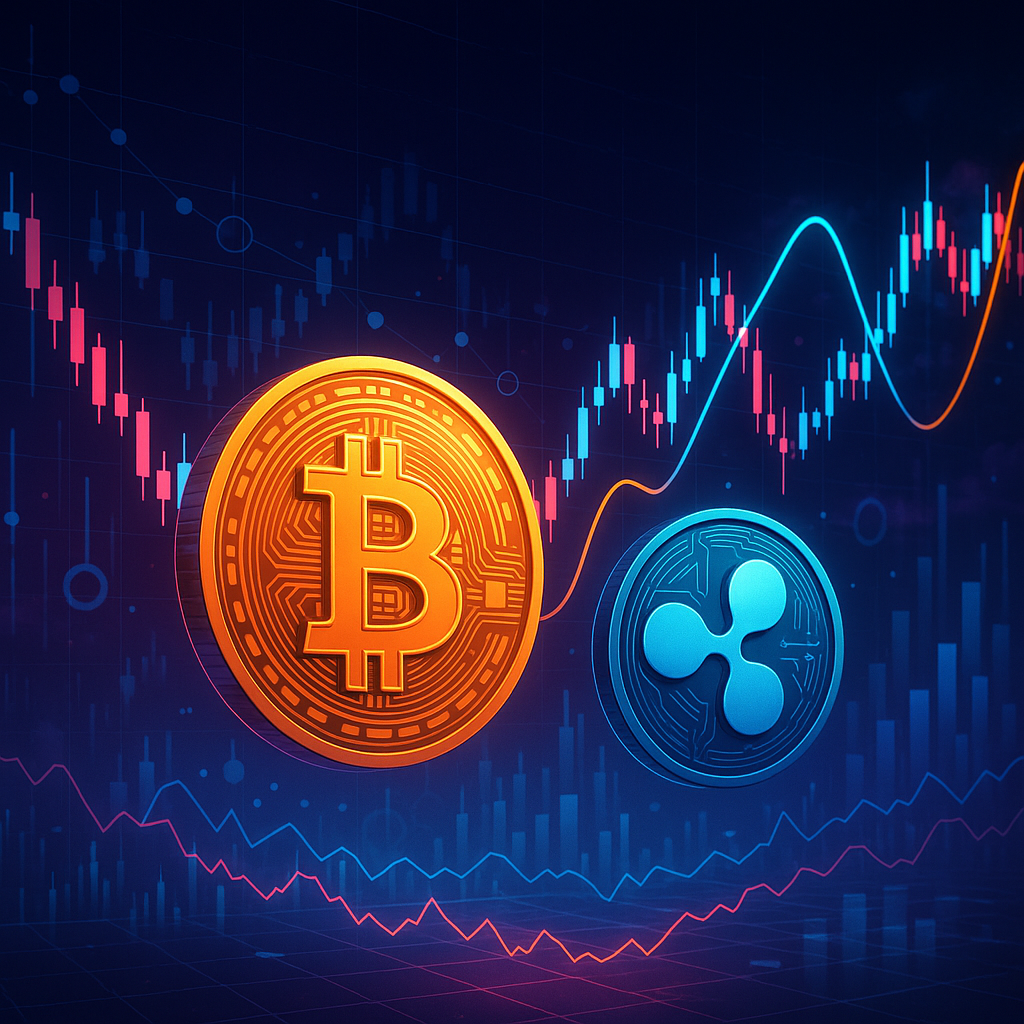
In this complex backdrop, Bitcoin’s price dynamics are coming under scrutiny. The digital currency has been hovering around $69,000 following a peak of $74,000 earlier in the week. Analysts suggest that macroeconomic factors will play a significant role in driving Bitcoin’s price movements in the near future.
Amid these market fluctuations, there is renewed interest in early-stage cryptocurrency projects. Investors are keen to identify potential entry points before the market shifts into a rally phase. One such project, APEMARS, is currently making waves with its presale, now in Stage 11.
The APEMARS initiative represents a fresh approach in the evolving meme coin sector. Unlike earlier projects that relied heavily on speculative hype, APEMARS focuses on community engagement combined with a structured developmental framework. Each stage of the presale introduces incremental price increases, rewarding early investors with lower entry costs.
At the moment, tokens are priced at $0.000107 in Stage 11, with a planned public listing of $0.0055. This pricing model highlights the substantial growth potential for early participants, with possibilities of returns exceeding 5,040%. Such opportunities are appealing during uncertain times when investors are searching for advantageous positions.
So far, the APEMARS presale has attracted a community eager for participation, having sold 12.4 billion tokens and raised approximately $291,000 from over 1,357 holders. This early interest is often a sign of a project gaining traction as the market evolves.
Shifting focus to Bitcoin, its dual role as both a risk asset and a hedge against macroeconomic instability is coming to the forefront. The recent spike in oil prices serves to reinforce this dual narrative. According to market analysts, the ongoing geopolitical tensions involving the US, Israel, and Iran have caused significant disruptions to oil supplies, particularly through the vital Strait of Hormuz.

Such surges in energy prices generally fuel inflationary pressures, persuading central banks to potentially delay interest rate reductions, thus affecting liquidity in speculative markets. Nevertheless, Bitcoin has demonstrated a certain level of resilience amidst these challenges. Some analysts posit that persistent geopolitical strife could inadvertently support Bitcoin’s value, as increased national debt and fiat currency weakness may elevate interest in decentralized assets.
Meanwhile, XRP is positioning itself for the future by emphasizing its role in financial infrastructure. Ripple is dedicated to enhancing cross-border payment systems powered by the XRP ledger. Ripple’s CEO has expressed an ambitious outlook for XRP’s adoption over the next five years, suggesting that it will evolve from a speculative asset to one that serves functional financial purposes.
In this regard, Ripple seeks to address long-standing issues in the global payments market, including the capital requirements that necessitate significant reserves in foreign accounts. While XRP has seen legal hurdles, recent progress in regulatory clarity has bolstered its position, facilitating partnerships and operational expansions in various international markets.
In conclusion, as the cryptocurrency landscape continues to shift, Bitcoin navigates a path influenced by macroeconomic factors, while XRP focuses on establishing itself as a cornerstone of institutional financial infrastructure. Simultaneously, innovative projects like APEMARS showcase the potential for community-focused models in the ever-evolving crypto space. In these turbulent times, early engagement in promising presales can be a strategic move for those looking to capitalize on future market opportunities.
Leave the reaction
Gregory Russell




Commentaries
Add your comment
Fill in necessary fields and publish