


Market Surge as Iran Signals Possible War Resolution
We have always followed the principles of transparency and clear information. Some of our content includes affiliate links, and we may earn a small commission through these partnerships. These partnerships do not influence our editorial independence or opinion. By using our site, you accept our privacy policy and terms and conditions.


A crypto casino and gaming specialist, Raj brings a digital native’s perspective to industry trends and provably fair systems. Having reviewed over 150 platforms, he…
Cryptocurrency is a high-risk asset class, and investing carries significant risk, including the potential loss of some or all of your investment. The information on this website is provided for informational and educational purposes only and does not constitute financial, investment, or gambling advice. Cryptowinx does not endorse any specific exchange or gaming platform. For more details, please read our terms and full disclaimer.
Cryptowinx navigates the digital asset universe with a dynamic, forward-looking vision. Throughout our evolution, we have followed every market cycle, from vertical rises to corrections, always remaining a solid point of reference for our community. Our team is made up of industry experts and analysts who experience the blockchain ecosystem daily: we constantly monitor Bitcoin’s stability, study the expansion of the Ethereum ecosystem, and analyze the new frontiers of crypto casinos. We are committed to absolute editorial integrity, separating the signal from the noise through rigorous fact-checking and multi-perspective news analysis. In a landscape where innovations emerge in moments, our mission is to simplify complex concepts and offer transparency into what is established and what is still experimental.
Learn more Cryptowinx
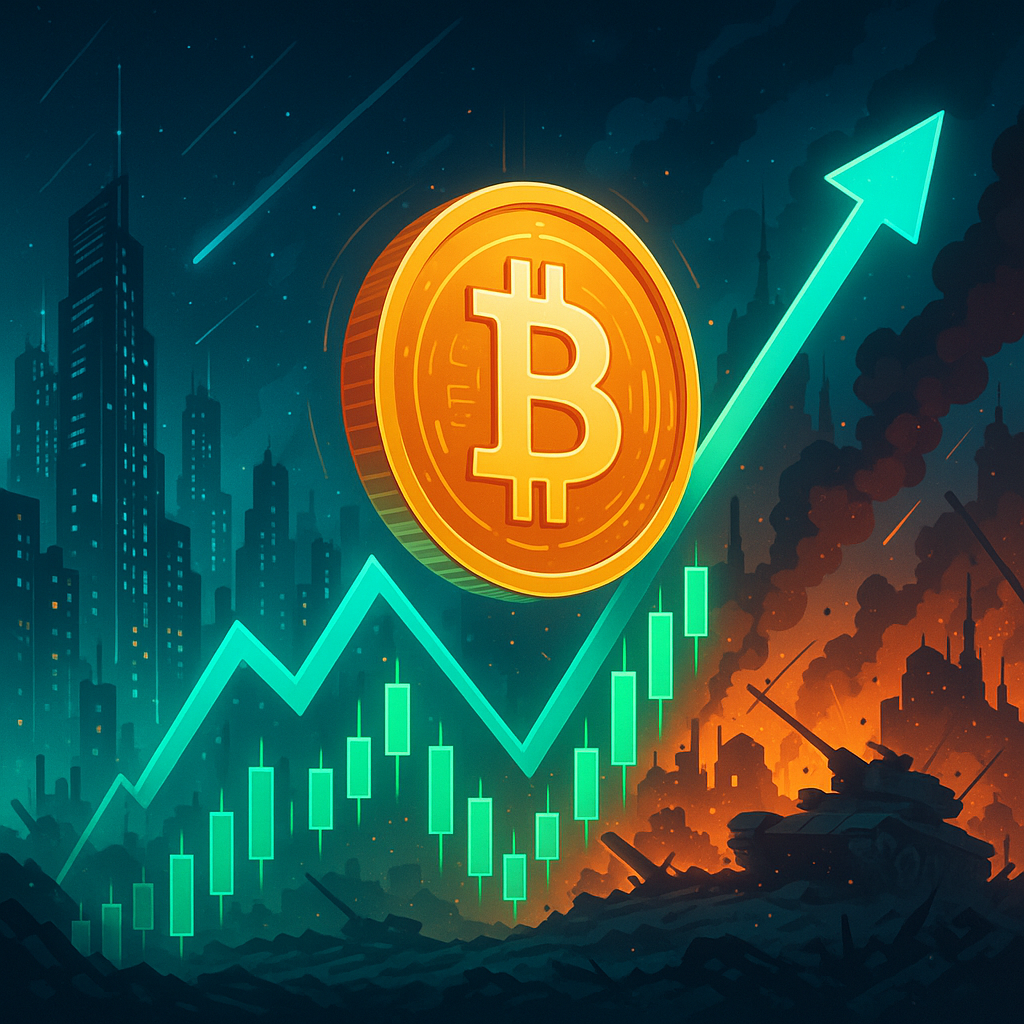
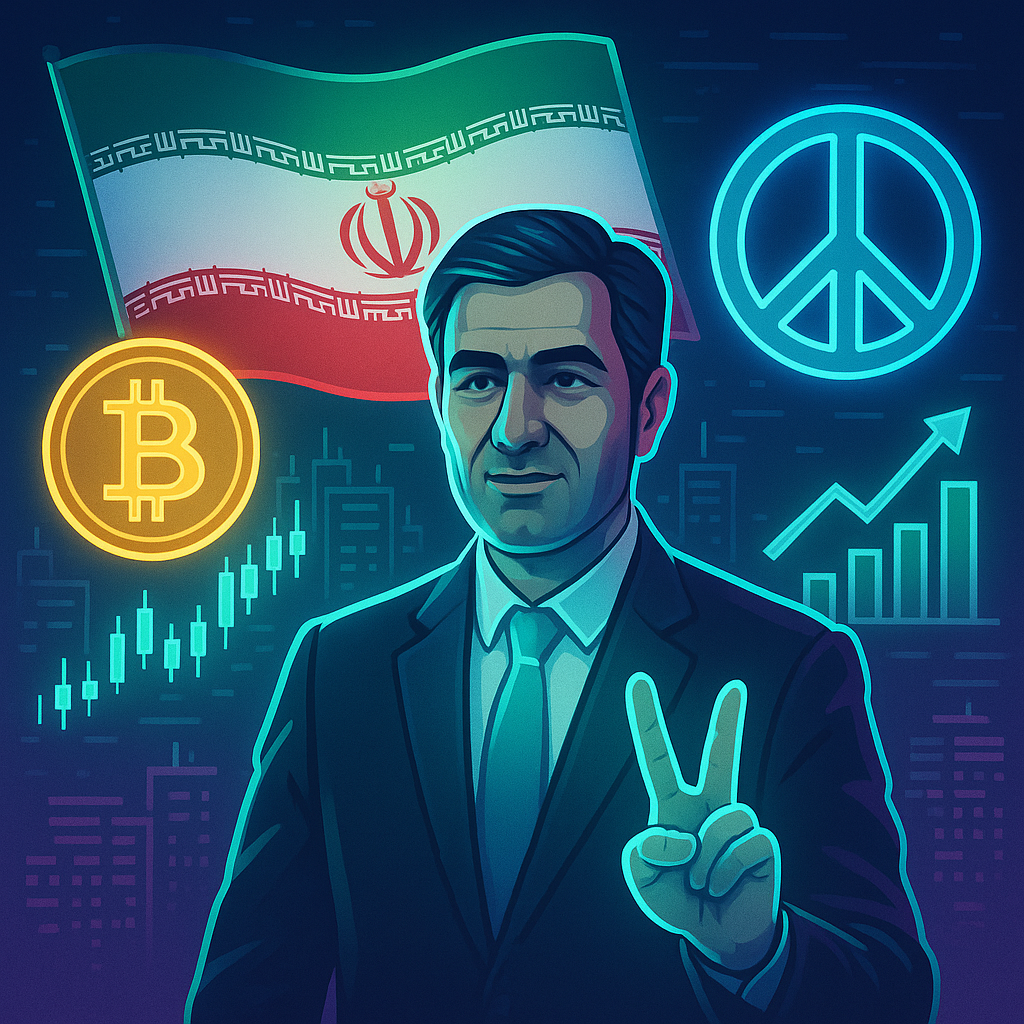
On March 31, Bitcoin surged past the $68,000 mark, buoyed by hopes for an end to the ongoing conflict involving Iran, the United States, and Israel. Comments from Iranian President Masoud Pezeshkian indicated that Tehran might be willing to discuss ending the war under specific conditions.
The broader cryptocurrency market responded positively, registering an increase of roughly $40 billion in total value following these remarks. Bitcoin’s rise was complemented by a nearly 2% increase, while Ethereum also gained around 3%, approaching $2,100.

The potential for de-escalation in the Iran conflict marked a turning point for digital assets, which had experienced considerable downward pressure in recent days. This decline was largely due to heightened tensions in the Middle East, which led investors to seek refuge in traditional assets like oil and the dollar.
Despite the lack of clarity regarding the exact terms of Iran’s proposal, the market reacted swiftly. Investors seemed more focused on the prospect of easing tensions than on any established diplomatic agreement.
The Kobeissi Letter noted a rapid drop in oil prices by approximately 5% within minutes, attributed to Pezeshkian’s unverified comments. The report suggested that algorithm-driven trading responded quickly, resulting in over $1 trillion shifting in global market value almost instantaneously as traders adjusted their expectations regarding the likelihood of a prolonged conflict.
US stock markets mirrored this rally, with the dollar experiencing a decline of nearly 1% on the DXY Index. The S&P 500 climbed 2.5%, translating to an increase of about $1.4 trillion in market capitalization, as investors began to reallocate towards riskier assets that had suffered due to escalating energy prices and regional instability fears.
Additional reports indicated that the Prime Minister also echoed sentiments similar to Pezeshkian’s, further driving market optimism.
The swift reaction reflected the significant impact the conflict had begun to exert on financial markets before these remarks. Notably, oil prices had remained above the $100 threshold throughout the month, with Brent crude nearing its largest monthly gain, rising 54% since early March.

This spike in oil prices established a vital connection between the geopolitical strife and cryptocurrency dynamics. Bitcoin and other digital currencies have increasingly behaved like risk-sensitive assets amid rising yields and inflation concerns.
As crude prices soared, anxiety grew among investors about the potential for a prolonged disruption in Middle Eastern oil flows, which could keep inflation high, hamper economic growth, and limit opportunities for central banks to adopt more lenient monetary policies.
The ramifications of this conflict extend beyond stock and crypto markets. The International Monetary Fund has cautioned that a drawn-out conflict could elevate prices and decelerate global growth.
This perspective has influenced trader behavior across various asset classes, with attention being paid not only to battlefield developments but also to the Strait of Hormuz, a critical chokepoint for global energy supplies.
Leave the reaction
Raj Patel







Commentaries
Add your comment
Fill in necessary fields and publish