


Iran’s Potential Bitcoin Toll Sparks Interest in Crypto Community
We have always followed the principles of transparency and clear information. Some of our content includes affiliate links, and we may earn a small commission through these partnerships. These partnerships do not influence our editorial independence or opinion. By using our site, you accept our privacy policy and terms and conditions.


A Senior Altcoin Analyst, Sarah combines on-chain data with a background in venture capital research. With a Master’s in Computer Science, she provides precise evaluations…
Cryptocurrency is a high-risk asset class, and investing carries significant risk, including the potential loss of some or all of your investment. The information on this website is provided for informational and educational purposes only and does not constitute financial, investment, or gambling advice. Cryptowinx does not endorse any specific exchange or gaming platform. For more details, please read our terms and full disclaimer.
Cryptowinx navigates the digital asset universe with a dynamic, forward-looking vision. Throughout our evolution, we have followed every market cycle, from vertical rises to corrections, always remaining a solid point of reference for our community. Our team is made up of industry experts and analysts who experience the blockchain ecosystem daily: we constantly monitor Bitcoin’s stability, study the expansion of the Ethereum ecosystem, and analyze the new frontiers of crypto casinos. We are committed to absolute editorial integrity, separating the signal from the noise through rigorous fact-checking and multi-perspective news analysis. In a landscape where innovations emerge in moments, our mission is to simplify complex concepts and offer transparency into what is established and what is still experimental.
Learn more Cryptowinx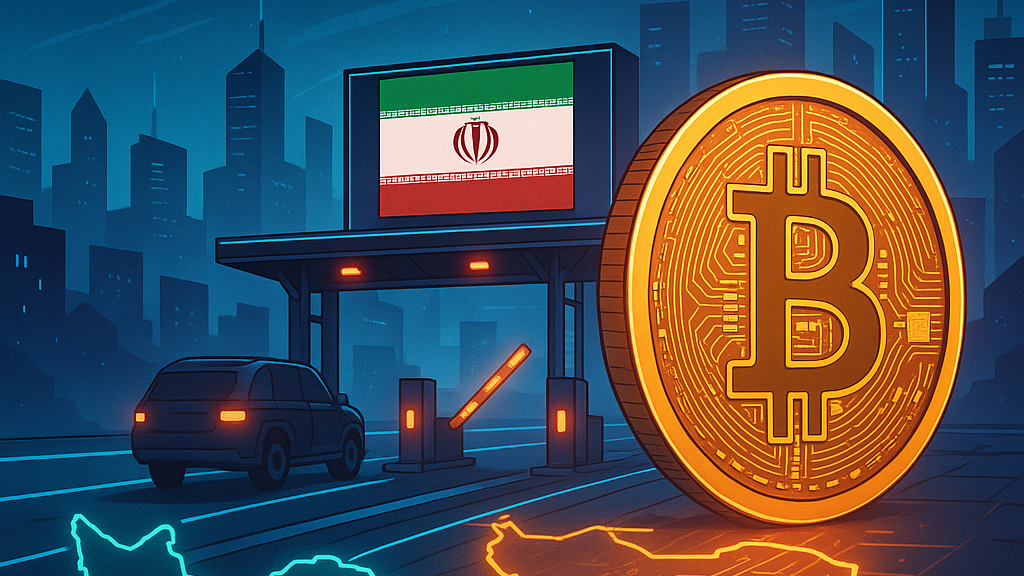
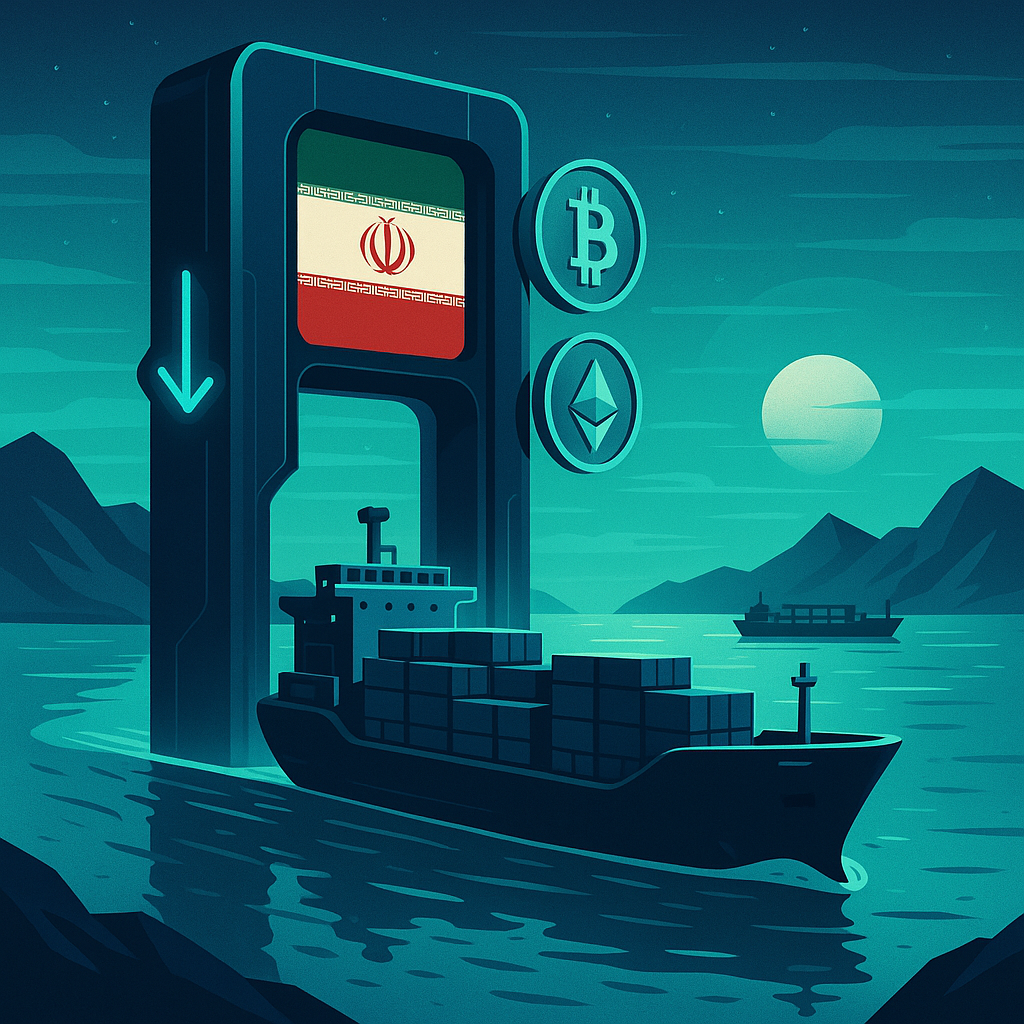
The Bitcoin community is actively engaging in discussions surrounding Iran’s potential move to accept Bitcoin for tolls imposed on oil tankers passing through the vital Strait of Hormuz. This critical shipping channel is responsible for approximately 20% of the world’s oil supply, making any decisions regarding toll payments particularly significant.
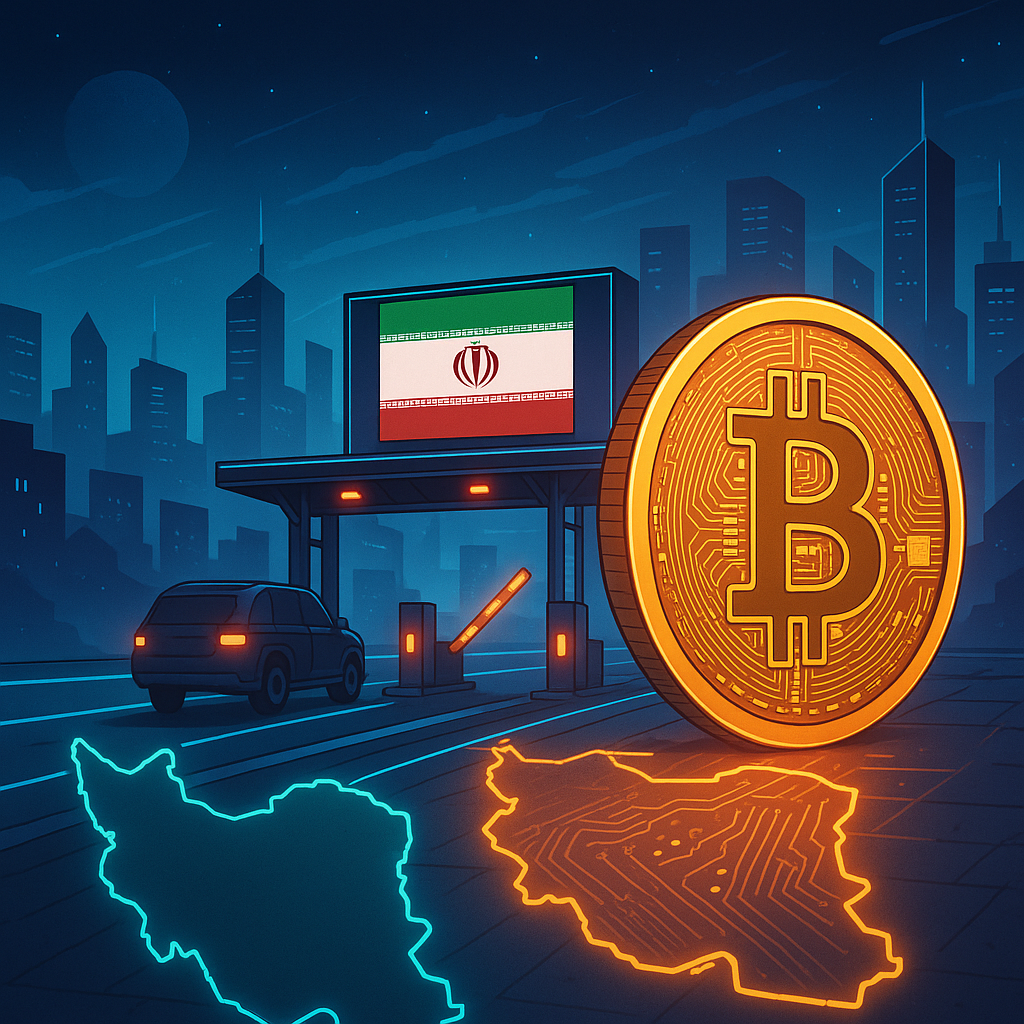
A recent report from a reputable financial publication indicated that the Iranian government is contemplating the acceptance of Bitcoin payments for these tolls, largely as a strategy to circumvent U.S. sanctions. This development has captured the attention of various stakeholders within the cryptocurrency sector, prompting a diverse array of reactions.

According to Alex Thorn, a leading figure at Galaxy, a prominent crypto investment firm, the organization is closely monitoring blockchain activity for indications of toll payments being made in Bitcoin. He highlighted that there have been multiple conflicting reports regarding the types of currencies applicable for these tolls, with some suggesting stablecoins or even the Chinese yuan as alternatives.
One Bitcoin supporter, Justin Bechler, raised concerns about the limitations of stablecoins, noting their potential to be frozen by issuers. He pointed to recent regulatory frameworks that might compel issuers to enforce compliance measures that could hinder Iran’s usage of U.S. dollar-pegged stablecoins. He explained that Bitcoin, lacking an issuer or compliance oversight, offers a more favorable alternative for Iran’s financial dealings.
Should Iran proceed with accepting Bitcoin for toll fees, many advocates believe it could significantly enhance Bitcoin’s reputation as a neutral medium for settling international transactions. The implications of such a shift could resonate widely within the crypto ecosystem.
Thorn estimated that tolls for oil tankers passing through the Strait could range between $200,000 and $2 million. This raises questions about the logistics of Bitcoin payments, especially given that ships may only have a limited time frame to complete their transactions. It has been suggested that the Lightning Network, a layer-2 solution that enables rapid Bitcoin transactions, could be used for this purpose.

However, Thorn pointed out that the highest transaction completed over the Lightning Network to date was $1 million, so a direct payment might be facilitated through the provision of a QR code or a Bitcoin address to the ships upon their request to navigate the Strait.
This emerging narrative around Iran’s exploration of Bitcoin for oil tanker tolls underscores a growing intersection between cryptocurrency and international trade dynamics, indicating that the world may be witnessing significant shifts in how nations approach financial transactions.
Leave the reaction
Sarah Chen




Commentaries
Add your comment
Fill in necessary fields and publish