


Iran Proposes Bitcoin Tolls for Shipping Through Hormuz
We have always followed the principles of transparency and clear information. Some of our content includes affiliate links, and we may earn a small commission through these partnerships. These partnerships do not influence our editorial independence or opinion. By using our site, you accept our privacy policy and terms and conditions.


A presale and tokenomics specialist, Sofia evaluates new crypto projects with the analytical rigor of her Bocconi background. Having reviewed over 200 launches, she excels…
Cryptocurrency is a high-risk asset class, and investing carries significant risk, including the potential loss of some or all of your investment. The information on this website is provided for informational and educational purposes only and does not constitute financial, investment, or gambling advice. Cryptowinx does not endorse any specific exchange or gaming platform. For more details, please read our terms and full disclaimer.
Cryptowinx navigates the digital asset universe with a dynamic, forward-looking vision. Throughout our evolution, we have followed every market cycle, from vertical rises to corrections, always remaining a solid point of reference for our community. Our team is made up of industry experts and analysts who experience the blockchain ecosystem daily: we constantly monitor Bitcoin’s stability, study the expansion of the Ethereum ecosystem, and analyze the new frontiers of crypto casinos. We are committed to absolute editorial integrity, separating the signal from the noise through rigorous fact-checking and multi-perspective news analysis. In a landscape where innovations emerge in moments, our mission is to simplify complex concepts and offer transparency into what is established and what is still experimental.
Learn more Cryptowinx
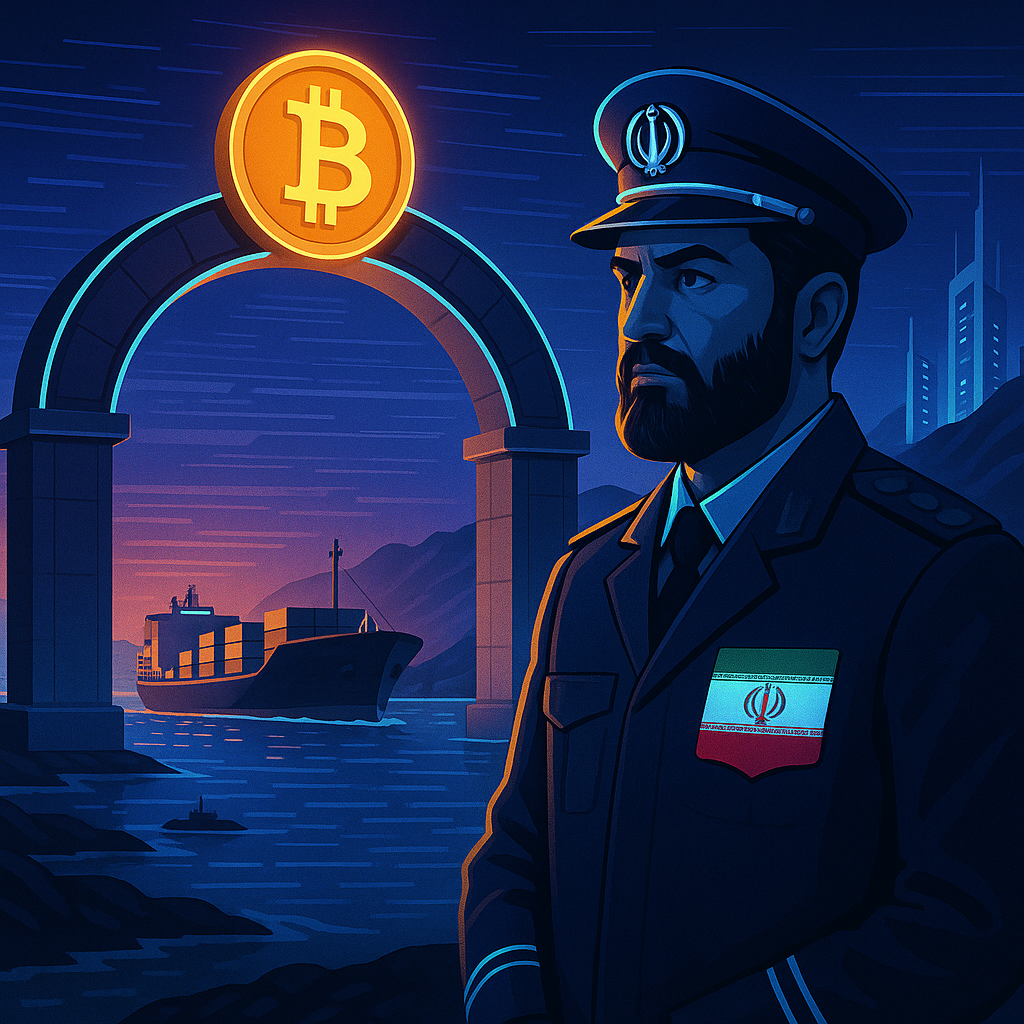
As the global energy landscape continues to evolve, Iran is reportedly considering implementing Bitcoin-based tolls for oil tankers navigating the strategically vital Strait of Hormuz. This development signifies a notable shift in how cryptocurrencies may facilitate trade in a region heavily impacted by sanctions.
Amidst concerns over maritime security and economic pressures, Iran’s initiative to accept Bitcoin for passage fees in this crucial waterway intertwines the realms of digital finance and geopolitical strategy. The Strait of Hormuz is already recognized for being a significant channel for global oil transport, with millions of barrels passing through it daily. By intertwining cryptocurrency payments into this process, Iran aims to navigate around traditional banking systems that have been hindered by sanctions.

Reports indicate that vessels will need to provide cargo details to Iranian authorities via email. Following a swift evaluation, they would receive a toll amount, which they must pay using Bitcoin before being cleared for passage. This approach has implications not just for shipping logistics but also for the broader oil market dynamics and compliance with sanctions.
The spokesperson for the Oil, Gas and Petrochemical Products Exporters’ Union in Iran has communicated the urgency of the payment process, suggesting that vessels would be given only a brief period to complete the transaction. This aspect of the proposal underscores Iran’s intent to minimize visibility and potential repercussions from international oversight.
The toll is reportedly set at $1 per barrel for loaded tankers, while empty vessels would transit without charge. This toll structure could incentivize operators to adopt the Bitcoin payment model, potentially allowing Iran to assert more control over one of the world’s busiest maritime corridors.
Further complicating matters, the ongoing ceasefire in the region has not fully resolved tensions, making control over Hormuz more critical than ever. Iran’s strategy seems designed to formalize conditions of passage through a combination of military oversight and economic incentives. As geopolitical conditions remain fluid, the adoption of a crypto-based toll system could redefine how oil trade is conducted under duress.

However, the broader implications of this proposal warrant examination. While Bitcoin may serve as a practical payment method, the assertion of its invisibility is questionable. Every transaction made with Bitcoin is logged on the blockchain, making traceability an inherent feature of the system. Thus, while Iran might emphasize a reduced reliance on conventional financial channels, the visibility of Bitcoin transactions could pose challenges in maintaining the secrecy they may seek.
As this situation unfolds, the immediate focus for global markets will be on whether the proposed Bitcoin toll system becomes a sustainable practice or if it simply serves as a temporary measure. Traders and shipping companies will be evaluating the viability of such mechanisms as they seek to navigate the complexities of geopolitical tensions and supply chain disruptions.
This pioneering proposal from Iran not only raises questions about the future of cryptocurrency in commerce but also signifies a potential shift in how nations leverage economic strategies in tandem with military posturing. If successful, this would mark a significant moment in the integration of crypto assets into critical trade infrastructures, expanding the potential use cases of digital currencies in the face of traditional financial barriers.
Leave the reaction
Sofia Russo









Commentaries
Add your comment
Fill in necessary fields and publish