


Hong Kong’s Bold Move to Transform Tokenized Bonds
We have always followed the principles of transparency and clear information. Some of our content includes affiliate links, and we may earn a small commission through these partnerships. These partnerships do not influence our editorial independence or opinion. By using our site, you accept our privacy policy and terms and conditions.


A Web3 and NFT expert, Elena focuses on the evolution of digital art and blockchain gaming for CryptoWinx. She combines technical expertise with a deep…
Cryptocurrency is a high-risk asset class, and investing carries significant risk, including the potential loss of some or all of your investment. The information on this website is provided for informational and educational purposes only and does not constitute financial, investment, or gambling advice. Cryptowinx does not endorse any specific exchange or gaming platform. For more details, please read our terms and full disclaimer.
Cryptowinx navigates the digital asset universe with a dynamic, forward-looking vision. Throughout our evolution, we have followed every market cycle, from vertical rises to corrections, always remaining a solid point of reference for our community. Our team is made up of industry experts and analysts who experience the blockchain ecosystem daily: we constantly monitor Bitcoin’s stability, study the expansion of the Ethereum ecosystem, and analyze the new frontiers of crypto casinos. We are committed to absolute editorial integrity, separating the signal from the noise through rigorous fact-checking and multi-perspective news analysis. In a landscape where innovations emerge in moments, our mission is to simplify complex concepts and offer transparency into what is established and what is still experimental.
Learn more Cryptowinx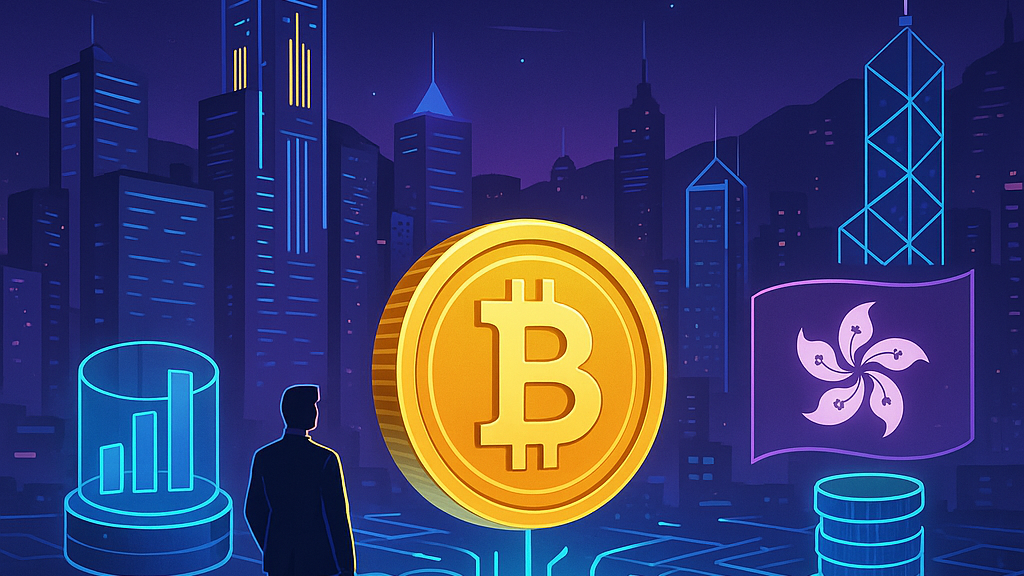
The landscape of Hong Kong’s financial sector is set to undergo a substantial transformation as the city embarks on a comprehensive integration of tokenized bond issuance and settlement into its established market infrastructure. This development signals a shift from tentative experimentation to a robust framework aimed at enhancing digital capital markets.
With the announcement of its 2026-27 budget, Hong Kong is redefining its approach toward digital bonds, moving beyond isolated projects to create a cohesive regulatory environment that fosters widespread adoption. The city’s strategy revolves around embedding tokenized securities within its existing financial infrastructure, a move supported by the Hong Kong Monetary Authority’s subsidiary, CMU OmniClear.

CMU OmniClear is poised to establish a dedicated digital asset platform that will not only facilitate the issuance but also the settlement of tokenized bonds. This platform is designed for scalability, paving the way for a variety of digital assets to be accommodated in the future.
Recent government initiatives underscore a commitment to making tokenized bond offerings a recurring feature in the market. Following the launch of a HK$10 billion digital bond in late 2025, authorities are set to enhance market participation and liquidity through regular issuances.
Hong Kong’s regulatory framework is also evolving to support this digital ecosystem. The introduction of licensing for stablecoins, alongside regulations for digital asset dealers and custodians, demonstrates the city’s ambition to cultivate a regulated market conducive to both innovation and investor protection.
Moving forward, the city aims to establish rigorous standards to ensure compliance with global transparency norms, thereby building trust among institutional investors. The plan includes aligning its regulations with international frameworks to facilitate seamless transactions across borders.
In the coming months, financial authorities will introduce measures that cover issuance, trading, custody, and reporting activities, thereby creating a comprehensive regulatory landscape for tokenized bonds. This approach not only boosts investor confidence but also reinforces the notion that tokenization is backed by solid governmental support.
Hong Kong’s strategy reflects a calculated long-term vision within the dynamic financial ecosystem. By intertwining tokenized debt instruments with traditional market practices, it seeks to fortify its position as a leading hub for digital assets in Asia.
As these initiatives unfold, the implications for the broader global financial landscape could be significant. By establishing a well-regulated, transparent environment for digital securities, Hong Kong may attract substantial cross-border capital flows and solidify its reputation among global asset managers.
While the potential for growth is substantial, challenges remain, particularly in achieving interoperability with different blockchain technologies and ensuring compliance with international regulations. The road ahead will require ongoing collaboration and innovation to truly realize the vision of a digitized financial market.
Leave the reaction
Elena Rodriguez












Commentaries
Add your comment
Fill in necessary fields and publish