


Ethereum’s Liquidation Risks Heighten Amid $1.39B Pressure
We have always followed the principles of transparency and clear information. Some of our content includes affiliate links, and we may earn a small commission through these partnerships. These partnerships do not influence our editorial independence or opinion. By using our site, you accept our privacy policy and terms and conditions.


A Senior Altcoin Analyst, Sarah combines on-chain data with a background in venture capital research. With a Master’s in Computer Science, she provides precise evaluations…
Cryptocurrency is a high-risk asset class, and investing carries significant risk, including the potential loss of some or all of your investment. The information on this website is provided for informational and educational purposes only and does not constitute financial, investment, or gambling advice. Cryptowinx does not endorse any specific exchange or gaming platform. For more details, please read our terms and full disclaimer.
Cryptowinx navigates the digital asset universe with a dynamic, forward-looking vision. Throughout our evolution, we have followed every market cycle, from vertical rises to corrections, always remaining a solid point of reference for our community. Our team is made up of industry experts and analysts who experience the blockchain ecosystem daily: we constantly monitor Bitcoin’s stability, study the expansion of the Ethereum ecosystem, and analyze the new frontiers of crypto casinos. We are committed to absolute editorial integrity, separating the signal from the noise through rigorous fact-checking and multi-perspective news analysis. In a landscape where innovations emerge in moments, our mission is to simplify complex concepts and offer transparency into what is established and what is still experimental.
Learn more Cryptowinx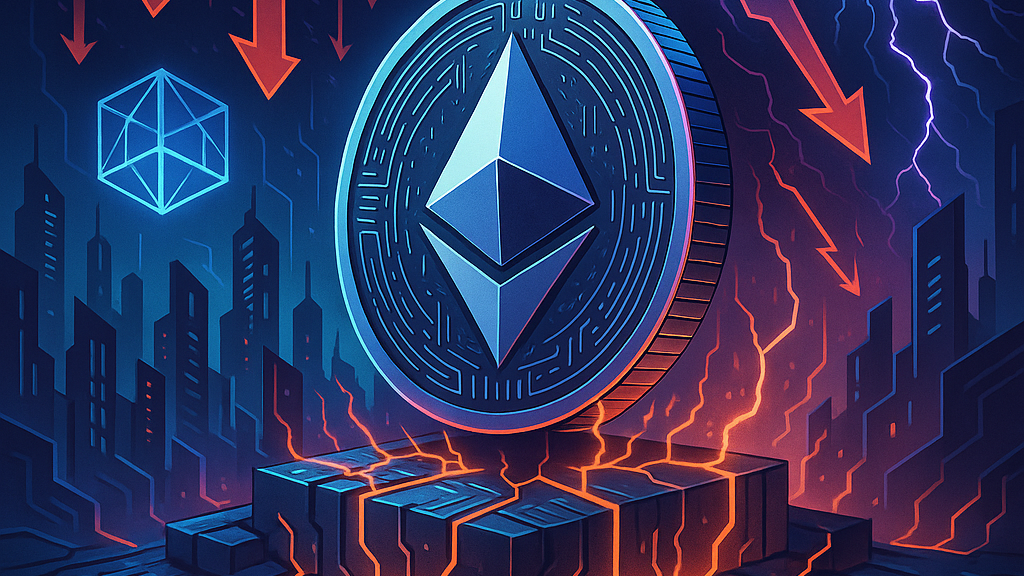
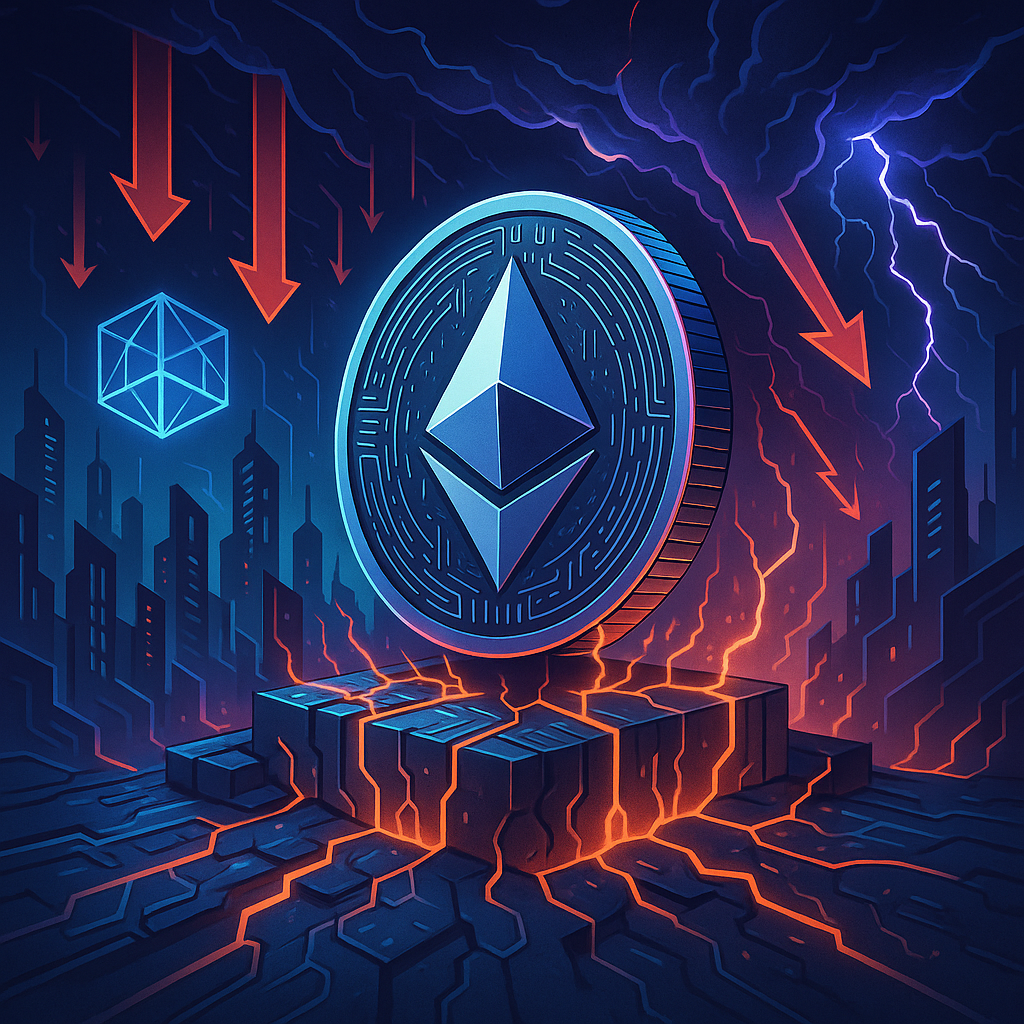
The Ethereum derivatives landscape is presently precarious, caught in a tense stance as significant liquidation levels loom. Recent findings indicate substantial vulnerability on both the long and short sides of the market, making swift price movements a near certainty for Ethereum (ETH).
According to analytics from Coinglass, a concerning long liquidation cluster is situated just beneath current trading levels, representing approximately $1.389 billion in leveraged long positions that could be forced out if the value dips below $2,210. This situation underscores the crowded nature of long trades following Ethereum’s recent upswing, suggesting that a breach of this key support could initiate a rapid sell-off.

Conversely, a rise above the $2,441 threshold would shift the focus, as bearish positions could face about $1.061 billion in liquidations. This dual scenario sets up a precarious ‘pain trade’ environment: bulls risk substantial losses if a downward trend materializes, while bears could be caught in a potential short squeeze if prices continue to climb.
These liquidation zones function like hidden liquidity sources within the order book, which can significantly influence market dynamics, even when trading volumes appear subdued. Market participants, especially larger funds, tend to navigate around these thresholds, probing for liquidity opportunities that may arise from forced liquidations.
From a risk management standpoint, the current structure of Ethereum’s derivatives suggests an impending volatility spike, given the significant accumulation of open interest around tight liquidation bands. Such conditions often lead to abrupt price adjustments rather than gradual shifts, compelling one faction of traders to capitulate under pressure. As long as this imbalance persists, both bullish and bearish traders find themselves navigating through a minefield, where minor fluctuations in price could unleash over $1 billion in forced trading activity.

In summary, Ethereum’s derivatives market is on high alert, with significant liquidation thresholds above and below the current trading price. The potential for rapid volatility looms large as traders brace for the outcomes of these pivotal levels, making the atmosphere ripe for dramatic market movements.
Leave the reaction
Sarah Chen









Commentaries
Add your comment
Fill in necessary fields and publish