


Bitcoin’s St. Patrick’s Day Journey: A Price Transformation
We have always followed the principles of transparency and clear information. Some of our content includes affiliate links, and we may earn a small commission through these partnerships. These partnerships do not influence our editorial independence or opinion. By using our site, you accept our privacy policy and terms and conditions.


James Mitchell combines investment banking with cryptocurrency journalism to analyze the institutional adoption of digital assets. Specializing in ETFs and regulation, he translates complex developments…
Cryptocurrency is a high-risk asset class, and investing carries significant risk, including the potential loss of some or all of your investment. The information on this website is provided for informational and educational purposes only and does not constitute financial, investment, or gambling advice. Cryptowinx does not endorse any specific exchange or gaming platform. For more details, please read our terms and full disclaimer.
Cryptowinx navigates the digital asset universe with a dynamic, forward-looking vision. Throughout our evolution, we have followed every market cycle, from vertical rises to corrections, always remaining a solid point of reference for our community. Our team is made up of industry experts and analysts who experience the blockchain ecosystem daily: we constantly monitor Bitcoin’s stability, study the expansion of the Ethereum ecosystem, and analyze the new frontiers of crypto casinos. We are committed to absolute editorial integrity, separating the signal from the noise through rigorous fact-checking and multi-perspective news analysis. In a landscape where innovations emerge in moments, our mission is to simplify complex concepts and offer transparency into what is established and what is still experimental.
Learn more Cryptowinx
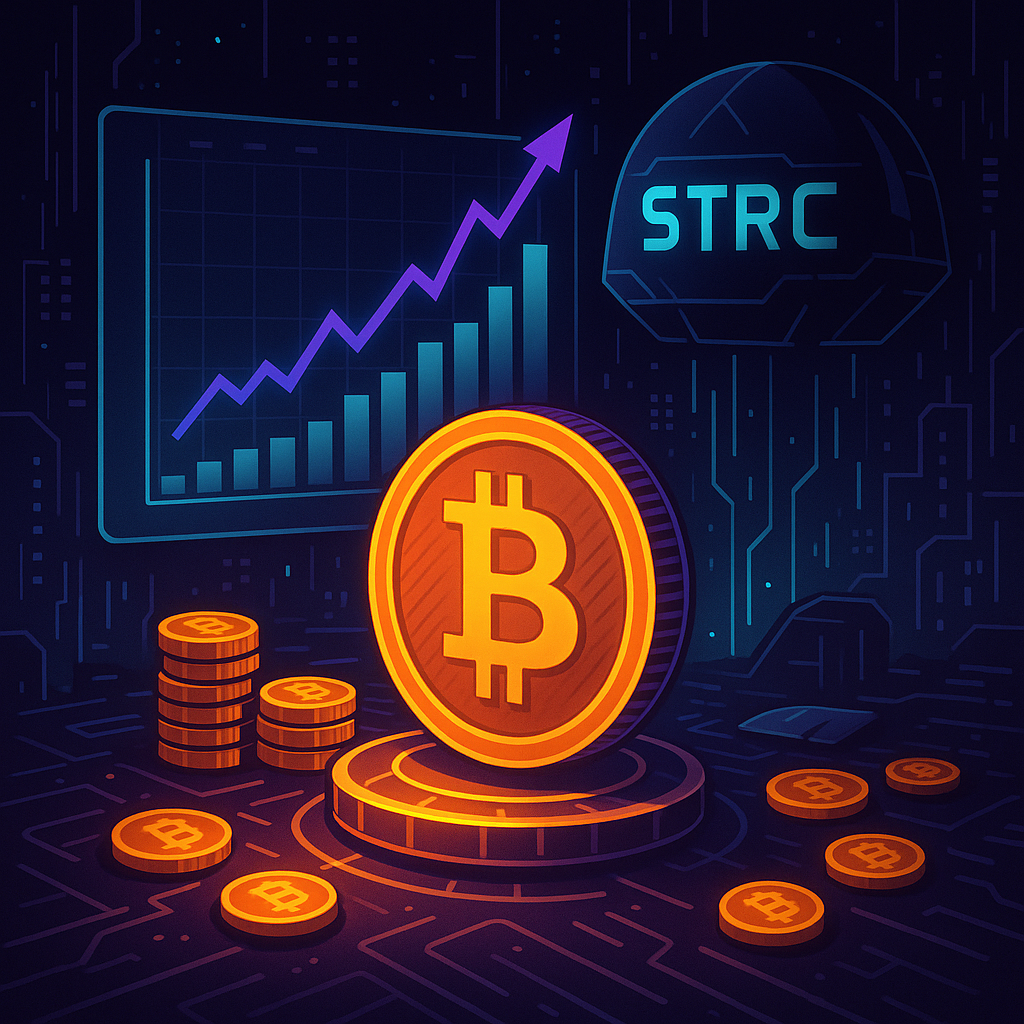
The evolution of Bitcoin has been nothing short of remarkable, particularly highlighted on St. Patrick’s Day, a date that marks significant milestones in the cryptocurrency’s journey. On March 17, 2012, Bitcoin’s price was a mere $5, but this year, it has soared to an impressive $75,000.
This dramatic increase can primarily be attributed to a combination of growing demand and a fixed supply model that Bitcoin embodies. The early years were characterized by high volatility and low liquidity, which saw the digital asset rise from under $50 in 2013 to over $600, only to fall below $300 by 2015.

These fluctuations have recurred throughout Bitcoin’s timeline, as each peak in price has been followed by corrections. 2017 was another pivotal year when Bitcoin crossed the $1,000 mark and surged further, albeit with subsequent downturns. By 2021, it reached beyond $50,000, largely due to increased institutional interest. While 2022 and 2023 tested investors’ resolve, the underlying trend of growth has remained unbroken.
Recently, in late 2025, Bitcoin experienced another surge, reaching above $125,000 before stabilizing around $60,000 earlier this year. Each cycle of price changes has not only attracted new participants but has also reinforced the market’s infrastructure, gradually establishing Bitcoin as a more resilient asset over time.
Historical Bitcoin prices on St. Patrick’s Day:
2012: $5.34
2013: $47
2014: $630
2015: $290
2016: $417
2017: $1,180
2018: $8,321
2019: $4,047
2020: $5,002
2021: $56,825
2022: $41,140
2023: $26,876
2024: $68,845
2025: $83,223
2026: $74,590
One of the most notable trends this cycle is the increasing access for institutional investors. The introduction of spot Bitcoin exchange-traded funds (ETFs) in the U.S. has opened up new avenues for substantial capital influx into the market. These vehicles have demonstrated considerable inflows, sometimes exceeding $500 million in a single day, reflecting significant interest from asset managers and other institutional players.
This growing capital participation has tightened the supply on exchanges, which exerts upward pressure on Bitcoin’s price. Furthermore, Bitcoin’s monetary policy, which imposes a strict limit of 21 million coins, stands apart from traditional financial assets. This scarcity is further emphasized by halving events, such as the most recent one in April 2024, which reduced block rewards and, consequently, the issuance of new coins.

Bitcoin’s appeal has also extended beyond financial markets. Corporations and policymakers have recognized its potential, with many companies now incorporating Bitcoin into their balance sheets as a strategic reserve rather than a speculative asset. Notably, Strategy, a prominent corporation led by executive chairman Michael Saylor, has been at the forefront of this trend, adding thousands of Bitcoins to its treasury.
Overall, the market dynamics surrounding Bitcoin are shifting, with an increasing concentration of ownership among long-term holders and institutional investors. This consolidation is believed to enhance the asset’s stability, despite the ongoing volatility. The return of large buyers, driven by ETF inflows and increased demand, has propelled Bitcoin’s price back above the $70,000 threshold after a period of relatively stagnant trading.
As the market continues to evolve, institutional conviction remains strong. The recent declines since late 2025 have not led to significant outflows; rather, investors appear to be holding their positions. This trend reflects a broader shift towards long-term investing in Bitcoin, as new market entrants tend to adopt a more committed approach rather than reacting impulsively to short-term price movements. As Bitcoin’s ownership landscape transforms, the solid backing from institutions indicates potential consolidation ahead, paving the way for the next phase in this dynamic cryptocurrency’s journey.
Leave the reaction
James Mitchell











Commentaries
Add your comment
Fill in necessary fields and publish