


Bitcoin’s Future Hinges on US-Iran Negotiation Outcomes
We have always followed the principles of transparency and clear information. Some of our content includes affiliate links, and we may earn a small commission through these partnerships. These partnerships do not influence our editorial independence or opinion. By using our site, you accept our privacy policy and terms and conditions.


Financial services expert with over three years of experience monitoring cryptocurrency markets and blockchain innovation. Passionate about digital assets and the decentralized future.
Cryptocurrency is a high-risk asset class, and investing carries significant risk, including the potential loss of some or all of your investment. The information on this website is provided for informational and educational purposes only and does not constitute financial, investment, or gambling advice. Cryptowinx does not endorse any specific exchange or gaming platform. For more details, please read our terms and full disclaimer.
Cryptowinx navigates the digital asset universe with a dynamic, forward-looking vision. Throughout our evolution, we have followed every market cycle, from vertical rises to corrections, always remaining a solid point of reference for our community. Our team is made up of industry experts and analysts who experience the blockchain ecosystem daily: we constantly monitor Bitcoin’s stability, study the expansion of the Ethereum ecosystem, and analyze the new frontiers of crypto casinos. We are committed to absolute editorial integrity, separating the signal from the noise through rigorous fact-checking and multi-perspective news analysis. In a landscape where innovations emerge in moments, our mission is to simplify complex concepts and offer transparency into what is established and what is still experimental.
Learn more Cryptowinx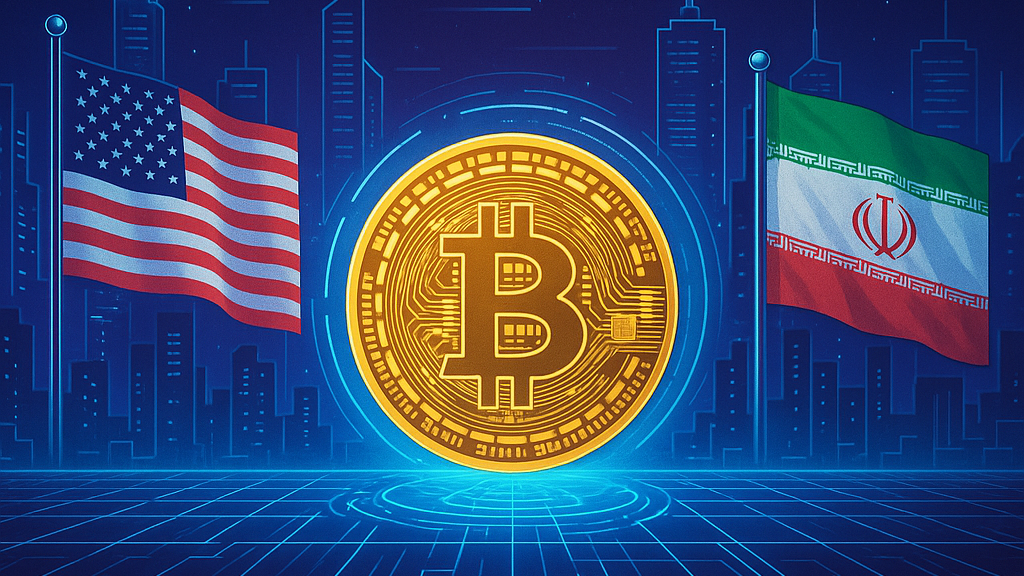
The trajectory of Bitcoin’s price is heavily influenced by ongoing negotiations between the United States and Iran, especially as traders monitor the possibility of a ceasefire. Bitcoin is currently facing challenges in maintaining its value above the $70,000 mark as uncertainty looms in the geopolitical landscape.
This week, Bitcoin experienced a temporary surge, briefly surpassing $70,200, fueled by reports indicating that discussions aimed at achieving a ceasefire were progressing. Such a cessation of hostilities could alleviate pressure on global energy markets and provide an economic boost.

Amid these developments, various regional intermediaries have reportedly played a role in facilitating talks that may lead to a temporary halt in tensions, which would allow broader negotiations to take place. Sources close to the situation have shared that both Washington and Tehran have been presented with a proposal concerning the reopening of the Strait of Hormuz, a critical shipping route.
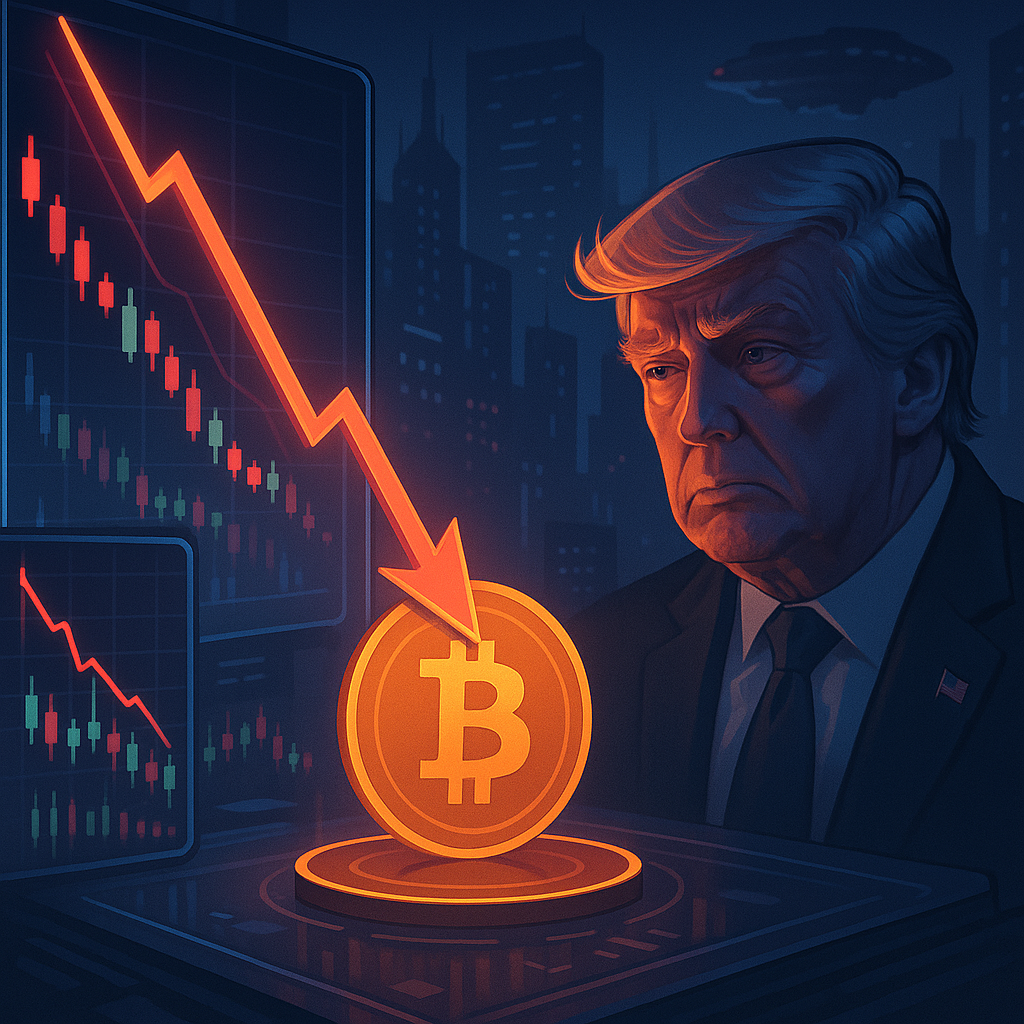
Despite these advances, U.S. President Donald Trump has reiterated his stern warning that Iran risks facing serious consequences should it not comply with the proposed conditions. He hinted at potential repercussions targeting significant infrastructures but did not elaborate further.
With a deadline imposed for Tuesday evening, market participants are closely observing the situation in hopes of tangible progress or a potential breakdown in talks. Currently, Bitcoin’s price remains hesitant, hovering around $70,000 as traders exhibit caution without a clear resolution in sight.
Experts suggest that a confirmed agreement could pave the way for Bitcoin to ascend toward the $75,000 level, as improved sentiment often leads to heightened risk appetite across various financial markets. Conversely, failure to reach an agreement could drive investors back to Bitcoin, particularly as a safe-haven asset in times of uncertainty.
While negotiations persist, Iranian officials have not publicly accepted the terms on the table. They assert that any movement on shipping routes remains contingent on addressing compensation and sanctions relief, which continues to limit upward momentum in Bitcoin’s price.

On the other hand, positive institutional demand is evident as firms like Strategy are aggressively accumulating Bitcoin. Since March, they have purchased 46,233 BTC, far outpacing miners’ production of around 16,200 BTC, illustrating a significant net absorption of supply.
Additionally, positive inflows into Bitcoin spot ETFs are helping to stabilize the market. Such factors are mitigating pullbacks, despite prevailing technical weaknesses suggesting potential downturns.
Yet, rising bond yields introduce a new layer of complexity. With U.S. Treasury yields increasing from 3.55% to around 4%, investors are drawn to government debt’s higher returns, particularly amid rising inflation concerns tied to energy prices and military spending.
A successful ceasefire could further bolster confidence in Treasuries, possibly prompting investors to pivot away from alternative assets, including Bitcoin. Until then, the cryptocurrency’s price remains a tug-of-war between sustained institutional accumulation and external market pressures, making its future heavily reliant on the outcomes of diplomatic talks.
Leave the reaction
Gregory Russell











Commentaries
Add your comment
Fill in necessary fields and publish