


Bitcoin Miners Show Signs of Recovery After Recent Decline
We have always followed the principles of transparency and clear information. Some of our content includes affiliate links, and we may earn a small commission through these partnerships. These partnerships do not influence our editorial independence or opinion. By using our site, you accept our privacy policy and terms and conditions.


A Senior Altcoin Analyst, Sarah combines on-chain data with a background in venture capital research. With a Master’s in Computer Science, she provides precise evaluations…
Cryptocurrency is a high-risk asset class, and investing carries significant risk, including the potential loss of some or all of your investment. The information on this website is provided for informational and educational purposes only and does not constitute financial, investment, or gambling advice. Cryptowinx does not endorse any specific exchange or gaming platform. For more details, please read our terms and full disclaimer.
Cryptowinx navigates the digital asset universe with a dynamic, forward-looking vision. Throughout our evolution, we have followed every market cycle, from vertical rises to corrections, always remaining a solid point of reference for our community. Our team is made up of industry experts and analysts who experience the blockchain ecosystem daily: we constantly monitor Bitcoin’s stability, study the expansion of the Ethereum ecosystem, and analyze the new frontiers of crypto casinos. We are committed to absolute editorial integrity, separating the signal from the noise through rigorous fact-checking and multi-perspective news analysis. In a landscape where innovations emerge in moments, our mission is to simplify complex concepts and offer transparency into what is established and what is still experimental.
Learn more Cryptowinx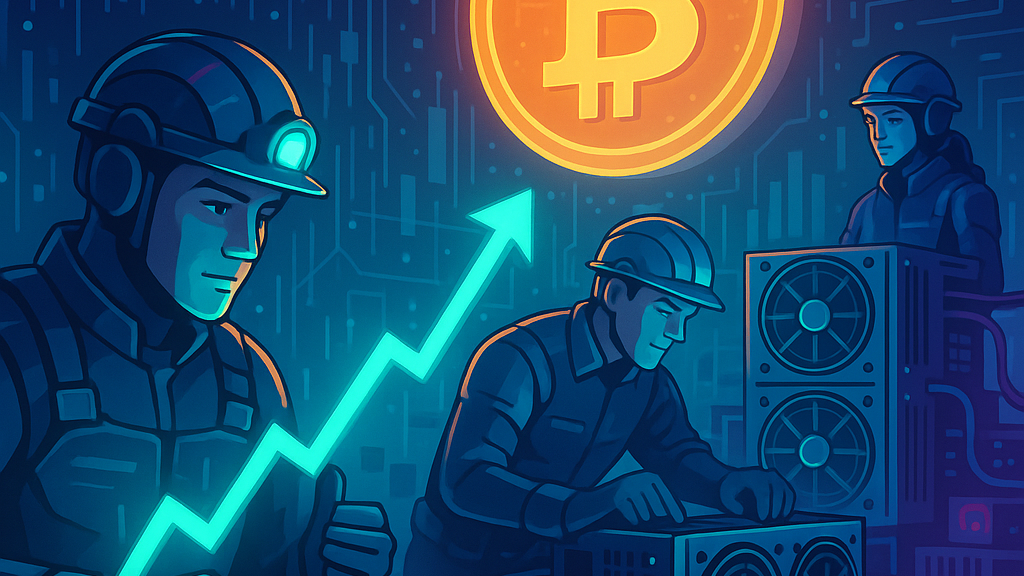
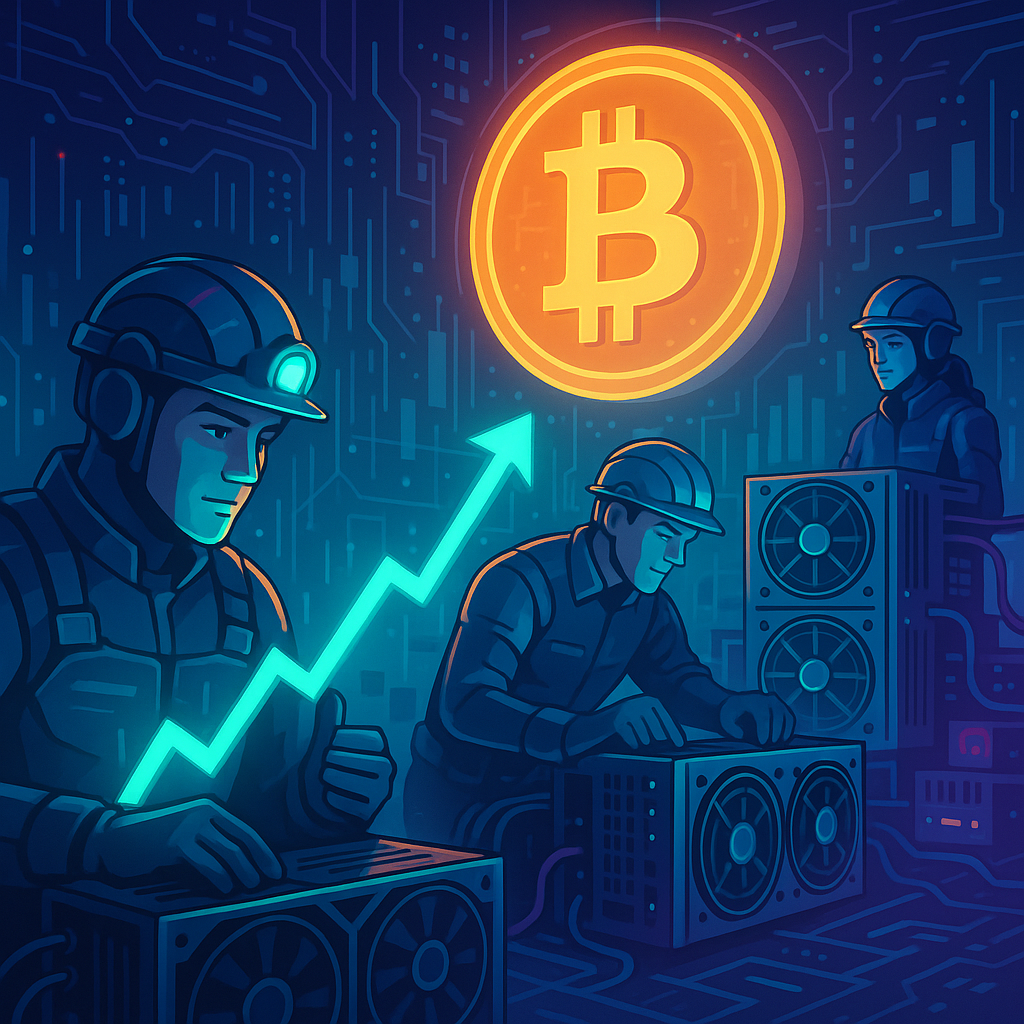
The landscape of Bitcoin mining is witnessing a resurgence, signaling a potential recovery from a recent downturn. The upcoming update, due on April 3, has raised expectations regarding improvements in mining difficulty, following a substantial decrease of 7.76% in the previous adjustment. Current assessments suggest that the mining difficulty could rebound by approximately 6.5%.
This positive trend suggests that factors such as the fluctuating Bitcoin price, the growing interest in artificial intelligence, and global tensions, including the situation in Iran, have not significantly hindered miners’ activities. While the impact of the previous adjustment phase warrants further exploration, early indications point toward a stabilization in the market.

Bitcoin, as a digital currency, is designed to achieve a block approximately every ten minutes. This is accomplished by adjusting the difficulty level, which essentially determines the computational power required by miners to generate a block. The network’s computational power can vary, which is why it incorporates a difficulty adjustment roughly every two weeks.
Though the precise amount of computational power allocated to the network is difficult to measure, mining difficulty serves as a robust indicator. The prior adjustment saw a significant decline, raising concerns in the community and prompting discussions with experts, including Kaan Farahani of Luxor, regarding the implications of energy costs and shifts in mining practices.
Higher computational power dedicated to the network generally enhances its security, creating a positive outlook for the future. Historically, Bitcoin mining has shown an upward trajectory, aside from occasional setbacks triggered by external factors rather than internal issues.
As the community approaches the upcoming block production targets, analysts are keen to see if this renewed momentum will sustain itself. Given the current conditions, expectations suggest that an increase in difficulty is likely, indicating that miners are indeed back to their operations.

A notable instance in the mining sector is Marathon, which made headlines by selling over 15,000 Bitcoin in March. This decision was partly aimed at addressing its debt and partly to facilitate a gradual shift towards AI. This move surprised many, especially considering Marathon’s significant investments in Bitcoin acquisition during the previous years.
The recent developments in Bitcoin mining highlight the resilience of the sector, with miners adapting to evolving circumstances. As the network adjusts and grows, it will be interesting to observe the long-term effects of these changes on the mining community.
Leave the reaction
Sarah Chen









Commentaries
Add your comment
Fill in necessary fields and publish