


Bitcoin Miners Reduce Holdings Amid Financial Pressures
We have always followed the principles of transparency and clear information. Some of our content includes affiliate links, and we may earn a small commission through these partnerships. These partnerships do not influence our editorial independence or opinion. By using our site, you accept our privacy policy and terms and conditions.


A Senior Altcoin Analyst, Sarah combines on-chain data with a background in venture capital research. With a Master’s in Computer Science, she provides precise evaluations…
Cryptocurrency is a high-risk asset class, and investing carries significant risk, including the potential loss of some or all of your investment. The information on this website is provided for informational and educational purposes only and does not constitute financial, investment, or gambling advice. Cryptowinx does not endorse any specific exchange or gaming platform. For more details, please read our terms and full disclaimer.
Cryptowinx navigates the digital asset universe with a dynamic, forward-looking vision. Throughout our evolution, we have followed every market cycle, from vertical rises to corrections, always remaining a solid point of reference for our community. Our team is made up of industry experts and analysts who experience the blockchain ecosystem daily: we constantly monitor Bitcoin’s stability, study the expansion of the Ethereum ecosystem, and analyze the new frontiers of crypto casinos. We are committed to absolute editorial integrity, separating the signal from the noise through rigorous fact-checking and multi-perspective news analysis. In a landscape where innovations emerge in moments, our mission is to simplify complex concepts and offer transparency into what is established and what is still experimental.
Learn more Cryptowinx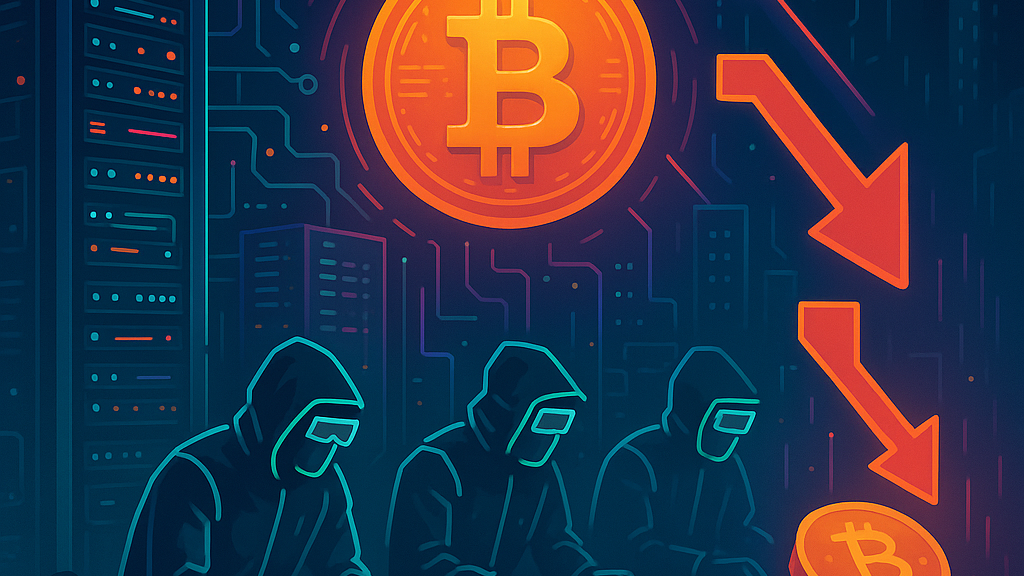
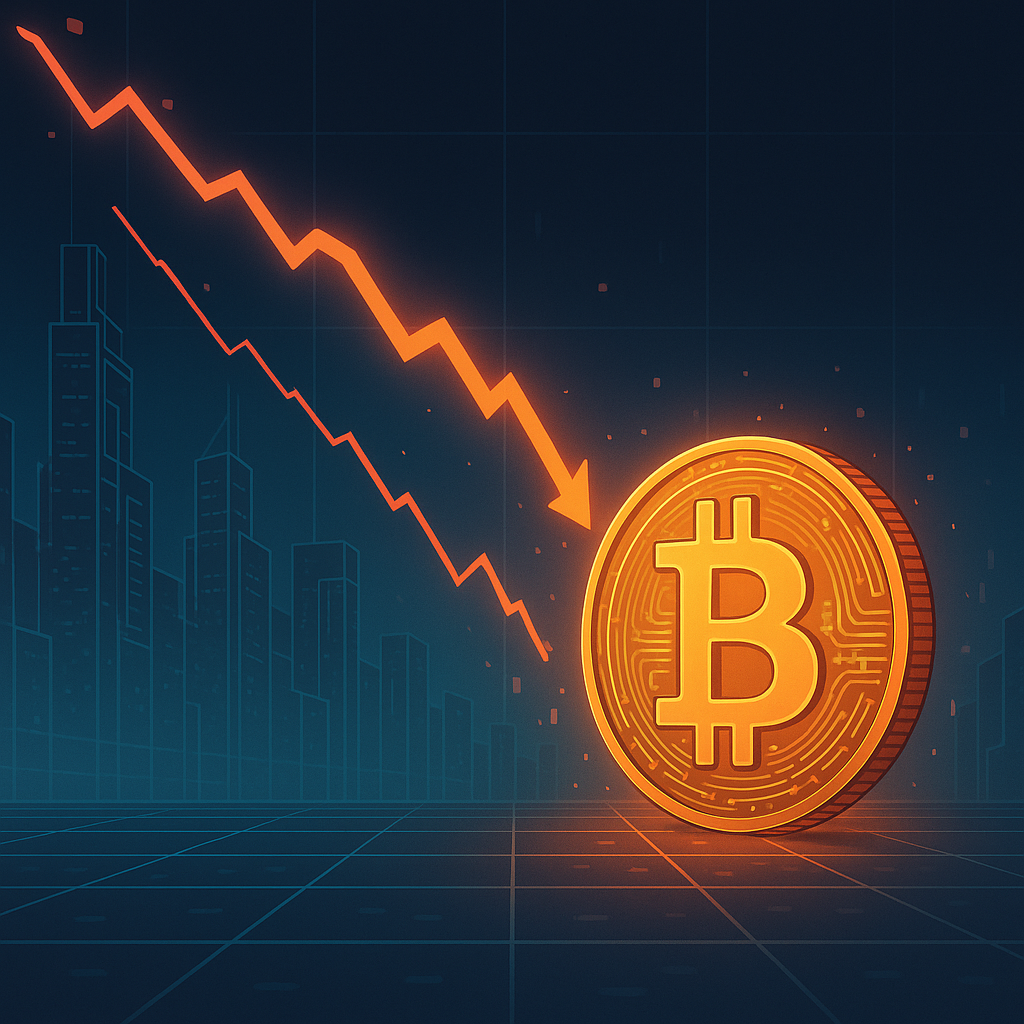
In a notable shift in strategy, Bitcoin mining companies are significantly reducing their holdings. This trend has emerged as they grapple with declining profit margins and increased debt, prompting a reevaluation of their previous approach to retaining mined Bitcoin.
Since October, the industry’s publicly traded miners have liquidated over 15,000 Bitcoin, a stark contrast to the hold strategy that characterized the past market uptrend. This sell-off coincided with a market peak followed by a sharp downturn, which forced many miners to reassess their financial strategies.

The data from TheEnergyMag’s Miner Weekly highlights this trend, noting significant contributions from various major players. Among these was Cango, which sold approximately 4,451 BTC in February, representing about 60% of its reserves. Additionally, Bitdeer reportedly sold off its entire Bitcoin treasury last month, while Riot Platforms made multiple sales in December. Furthermore, Core Scientific has announced its intention to sell around 2,500 BTC in the first quarter of the year.
The shift appears to be gaining momentum, with more miners choosing to divest rather than hold. MARA Holdings, the largest publicly listed Bitcoin mining firm, has stirred interest with their latest regulatory filings. These filings indicate a new approach that may include both purchasing and selling Bitcoin to maintain operational flexibility.
Despite initial market concerns regarding potential liquidation, vice president Robert Samuels reassured stakeholders that the filings do not suggest a significant sell-off. Currently, MARA Holdings maintains a substantial reserve of over 53,000 BTC, solidifying its position as the second-largest public corporate Bitcoin holder, following Michael Saylor’s firm.
This ongoing trend is a sharp reversal from the previous cycle when many miners adopted a treasury strategy—holding onto larger quantities of mined Bitcoin in anticipation of price increases. During that time, research indicated that miners aimed to bolster their finances while exploring ventures beyond Bitcoin, such as artificial intelligence and data center operations.

Recent months have highlighted the tremendous pressure on mining operations, with some industry experts describing this as one of the most significant margin squeezes observed. This financial strain is becoming evident on balance sheets; for instance, CleanSpark has recently settled its Bitcoin-backed credit line entirely, a strategic move designed to mitigate financial risk in an increasingly challenging environment.
As these developments unfold, the Bitcoin mining landscape continues to evolve dramatically. The current financial pressures are reshaping strategies and prompting companies to adapt to new market realities, indicating a significant transformation in how these miners operate moving forward.
Leave the reaction
Sarah Chen








Commentaries
Add your comment
Fill in necessary fields and publish