


Analyst Warns of 2026 Market Impact from Iran Conflict
We have always followed the principles of transparency and clear information. Some of our content includes affiliate links, and we may earn a small commission through these partnerships. These partnerships do not influence our editorial independence or opinion. By using our site, you accept our privacy policy and terms and conditions.


James Mitchell combines investment banking with cryptocurrency journalism to analyze the institutional adoption of digital assets. Specializing in ETFs and regulation, he translates complex developments…
Cryptocurrency is a high-risk asset class, and investing carries significant risk, including the potential loss of some or all of your investment. The information on this website is provided for informational and educational purposes only and does not constitute financial, investment, or gambling advice. Cryptowinx does not endorse any specific exchange or gaming platform. For more details, please read our terms and full disclaimer.
Cryptowinx navigates the digital asset universe with a dynamic, forward-looking vision. Throughout our evolution, we have followed every market cycle, from vertical rises to corrections, always remaining a solid point of reference for our community. Our team is made up of industry experts and analysts who experience the blockchain ecosystem daily: we constantly monitor Bitcoin’s stability, study the expansion of the Ethereum ecosystem, and analyze the new frontiers of crypto casinos. We are committed to absolute editorial integrity, separating the signal from the noise through rigorous fact-checking and multi-perspective news analysis. In a landscape where innovations emerge in moments, our mission is to simplify complex concepts and offer transparency into what is established and what is still experimental.
Learn more Cryptowinx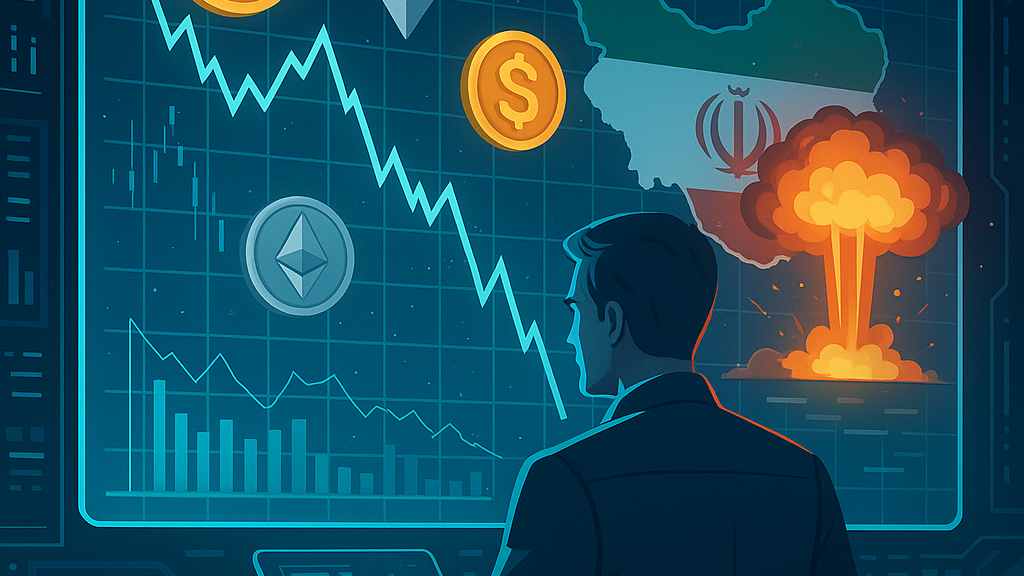
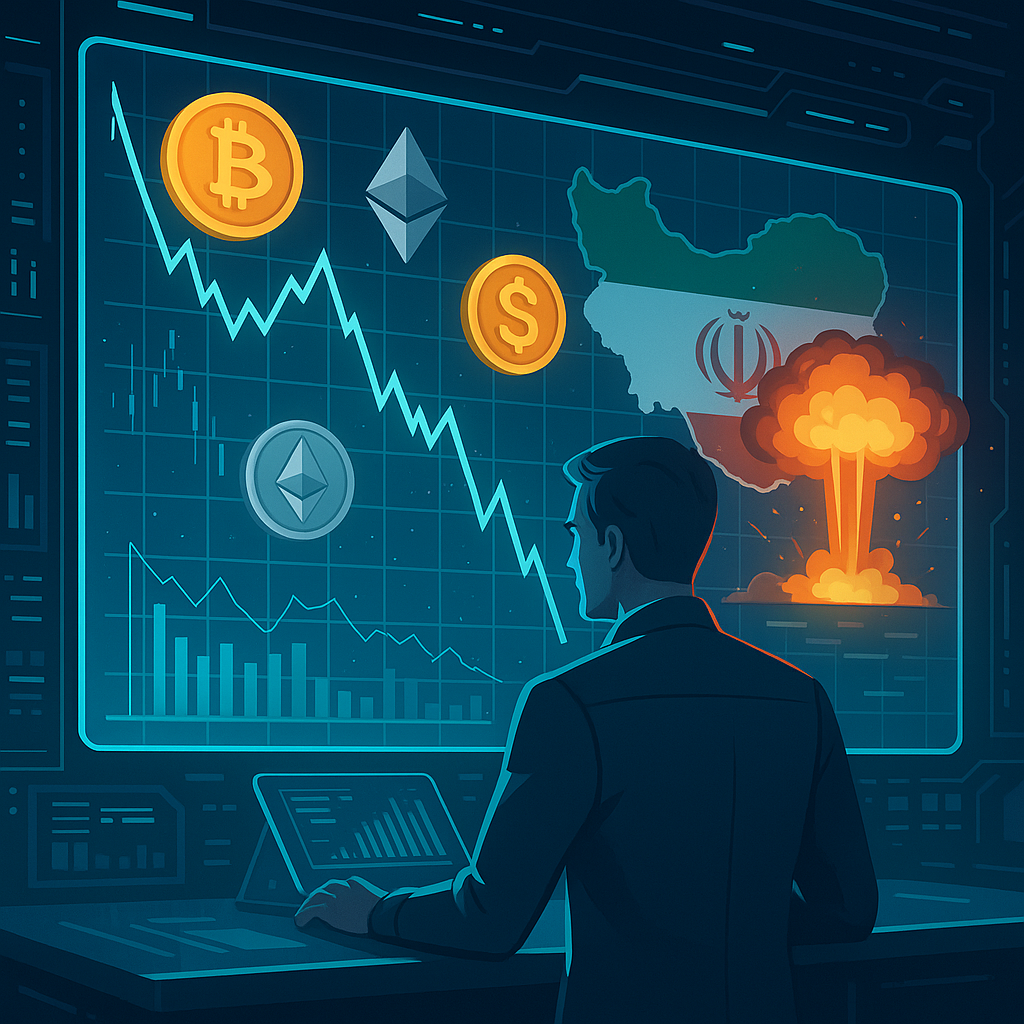
As the conflict in the Middle East evolves, analysts predict its effects will substantially influence global markets through 2026. Nic Puckrin, founder of Coin Bureau, highlights that the lingering consequences of this conflict are expected to overshadow economic trends for the year.
According to Puckrin, Bitcoin’s recent recovery is precarious, facing significant challenges due to ongoing geopolitical tensions. He noted that despite a total recovery being anticipated, the market’s trajectory remains uncertain, particularly with the impact of the Iran war looming large.

Puckrin expressed skepticism about any potential interest rate reductions in the near future, projecting that rate cuts could be delayed until the third quarter of 2026 at the earliest. He emphasized that even if hostilities cease immediately, the aftermath will dominate discussions and strategies in the coming year.
He also mentioned that for Bitcoin to approach the $90,000 threshold, several factors would need to converge. This includes a peaceful resolution that alleviates geopolitical anxieties, a decline in oil prices to around $80, and economic data reflecting a softer outlook than previously anticipated, thus easing fears of stagnation.
Presently, Bitcoin fluctuates around $71,276, still grappling with resistance at the $74,000 mark. Puckrin indicated that a weekly close above $71,000 could herald further advancements for BTC.
Additionally, the ongoing war has spurred inflationary pressures, as highlighted in a recent Consumer Price Index report by the US Bureau of Labor Statistics. These inflationary trends have dampened expectations for interest rate cuts moving forward, as such measures typically provide a boost to asset prices.
Recent events have illustrated the volatility in the market, particularly following the failure of peace negotiations between the US and Iran. After a brief spike where Bitcoin surged about 5.8% to exceed $73,000, the cryptocurrency retreated after news surfaced that discussions had broken down. Analysts from the Kobeissi Letter described the halt in negotiations as a significant setback.
In response to the deteriorating situation, US President Donald Trump announced military measures aimed at establishing a naval blockade around the strategic Strait of Hormuz, intensifying the geopolitical landscape further.
In light of these developments, the Federal Open Market Committee remains divided over future interest rate policies, grappling with the implications of inflation stemming from the ongoing conflict. The FOMC’s meeting minutes hinted at the possibility of an interest rate hike if inflation levels stay above the 2% target, emphasizing the committee’s cautious stance.
With current expectations suggesting high probability for maintaining interest rates in the upcoming meetings, the financial community watches closely as the situation unfolds. The unpredictable nature of geopolitical events continues to shape market sentiment, leaving investors with a complex landscape to navigate in 2026.
Leave the reaction
James Mitchell









Commentaries
Add your comment
Fill in necessary fields and publish