


AI’s Rise Raises Concerns for Bitcoin’s Future Stability
We have always followed the principles of transparency and clear information. Some of our content includes affiliate links, and we may earn a small commission through these partnerships. These partnerships do not influence our editorial independence or opinion. By using our site, you accept our privacy policy and terms and conditions.


A Web3 and NFT expert, Elena focuses on the evolution of digital art and blockchain gaming for CryptoWinx. She combines technical expertise with a deep…
Cryptocurrency is a high-risk asset class, and investing carries significant risk, including the potential loss of some or all of your investment. The information on this website is provided for informational and educational purposes only and does not constitute financial, investment, or gambling advice. Cryptowinx does not endorse any specific exchange or gaming platform. For more details, please read our terms and full disclaimer.
Cryptowinx navigates the digital asset universe with a dynamic, forward-looking vision. Throughout our evolution, we have followed every market cycle, from vertical rises to corrections, always remaining a solid point of reference for our community. Our team is made up of industry experts and analysts who experience the blockchain ecosystem daily: we constantly monitor Bitcoin’s stability, study the expansion of the Ethereum ecosystem, and analyze the new frontiers of crypto casinos. We are committed to absolute editorial integrity, separating the signal from the noise through rigorous fact-checking and multi-perspective news analysis. In a landscape where innovations emerge in moments, our mission is to simplify complex concepts and offer transparency into what is established and what is still experimental.
Learn more Cryptowinx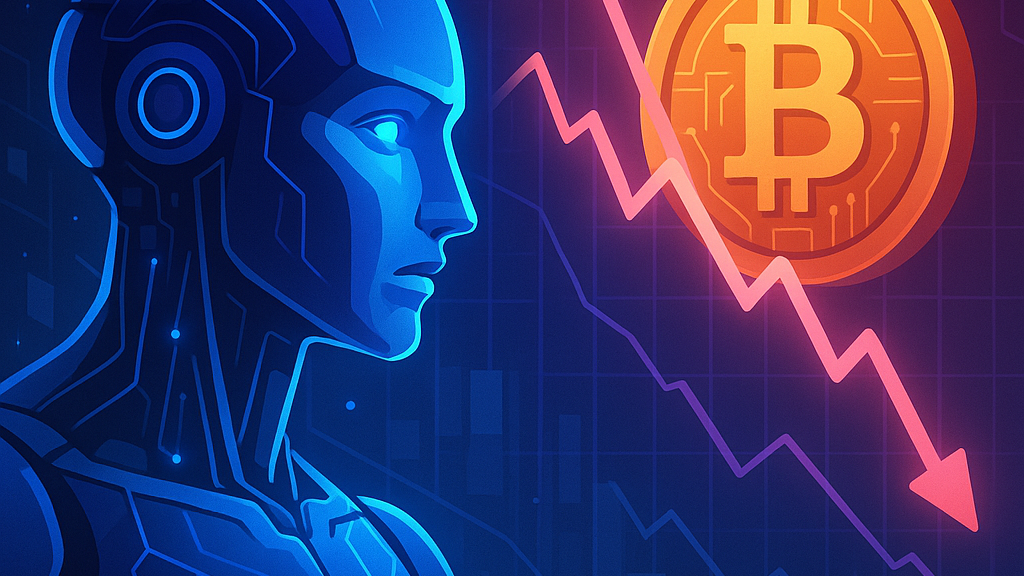
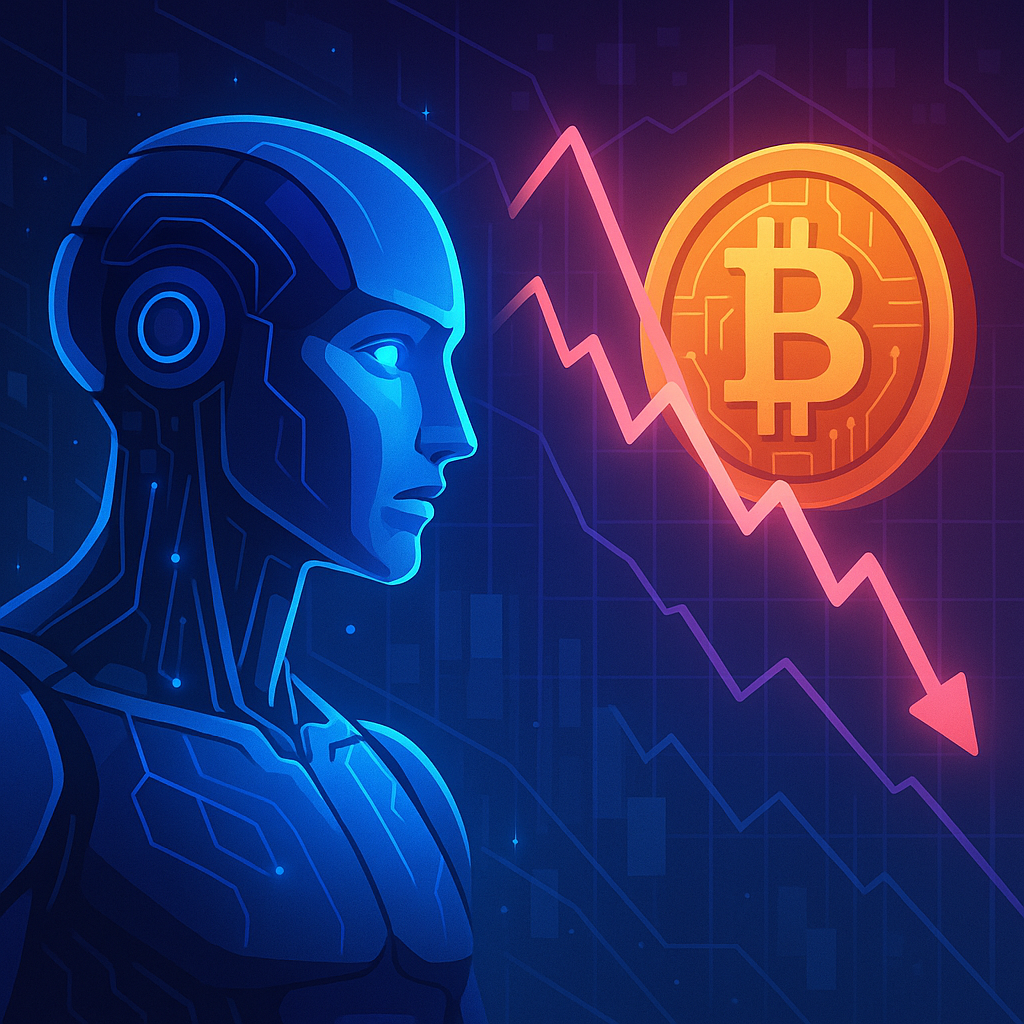
As the artificial intelligence sector experiences rapid growth, a significant shift among Bitcoin miners is stirring discussions about the future of cryptocurrency’s security and its value retention capabilities.
Concerns have been raised by crypto trader Ran Neuner, who suggested that the increasing competition between AI and Bitcoin mining for electricity could jeopardize Bitcoin’s network integrity. He noted that if miners decide to leave the Bitcoin network due to the higher profits generated by AI data centers, it may expose the system to vulnerabilities.

The potential for a so-called “51% attack”—a scenario where a single entity gains majority control over the network—has garnered attention. While some experts fear this possibility, others contend that the Bitcoin network has built-in mechanisms to adapt to these changes, which could potentially draw miners back in.
Neuner described the stark contrast in revenue generation, stating that while Bitcoin mining earns between $57 and $129 per megawatt, AI data centers can pull in between $200 and $500 for the same energy usage. This financial disparity could persuade miners to pivot away from Bitcoin.
Recent actions by several mining companies further illustrate this trend. Core Scientific recently secured a substantial credit line for AI hosting, and MARA Holdings has indicated plans to divest part of its Bitcoin holdings to focus more on AI initiatives. Similarly, Hut 8 has entered a significant infrastructure agreement with Google to support AI developments.
Despite these developments, not everyone in the crypto community believes that Bitcoin is facing an existential crisis. Bitcoin pioneer and cryptographer Adam Back argued that the network’s difficulty adjustments would merely push out less efficient miners while enhancing overall profitability.
Back emphasized that as less competitive miners transition away from Bitcoin mining, those remaining would find the operation more lucrative. He expressed confidence in the network’s resilience, suggesting that miners would simply pause operations until conditions became favorable again.
Contrarily, Neuner highlighted the impact of dwindling hashrates, which have decreased by 14.5% since their peak in October. He pointed out that this decline could reduce the security of the Bitcoin network and increase the chances of an attack.

While industry analysts debate the situation, some, like Bitcoin ESG advocate Daniel Batten, argue the opposite, asserting that AI’s dependence on Bitcoin for infrastructure growth and stability could be more significant than the immediate threat of miners exiting the network.
Batten further insisted that Bitcoin’s unique ability to utilize stranded energy and provide flexible power consumption options could counterbalance the competitive pressures from the AI sector.
Ultimately, the trajectory of Bitcoin may hinge on market dynamics and its price movements, as noted by Neuner. He speculated that a notable uptick in Bitcoin’s value could re-establish its appeal and deter the shift toward AI.
As Bitcoin navigates through this evolving landscape, the dialogues surrounding its future are set to intensify, reflecting the broader implications of AI’s ascent and the interconnected nature of these two rapidly advancing sectors.
Leave the reaction
Elena Rodriguez











Commentaries
Add your comment
Fill in necessary fields and publish