


Crypto Law Highlights: April 19, 2026
We have always followed the principles of transparency and clear information. Some of our content includes affiliate links, and we may earn a small commission through these partnerships. These partnerships do not influence our editorial independence or opinion. By using our site, you accept our privacy policy and terms and conditions.


A Web3 and NFT expert, Elena focuses on the evolution of digital art and blockchain gaming for CryptoWinx. She combines technical expertise with a deep…
Cryptocurrency is a high-risk asset class, and investing carries significant risk, including the potential loss of some or all of your investment. The information on this website is provided for informational and educational purposes only and does not constitute financial, investment, or gambling advice. Cryptowinx does not endorse any specific exchange or gaming platform. For more details, please read our terms and full disclaimer.
Cryptowinx navigates the digital asset universe with a dynamic, forward-looking vision. Throughout our evolution, we have followed every market cycle, from vertical rises to corrections, always remaining a solid point of reference for our community. Our team is made up of industry experts and analysts who experience the blockchain ecosystem daily: we constantly monitor Bitcoin’s stability, study the expansion of the Ethereum ecosystem, and analyze the new frontiers of crypto casinos. We are committed to absolute editorial integrity, separating the signal from the noise through rigorous fact-checking and multi-perspective news analysis. In a landscape where innovations emerge in moments, our mission is to simplify complex concepts and offer transparency into what is established and what is still experimental.
Learn more Cryptowinx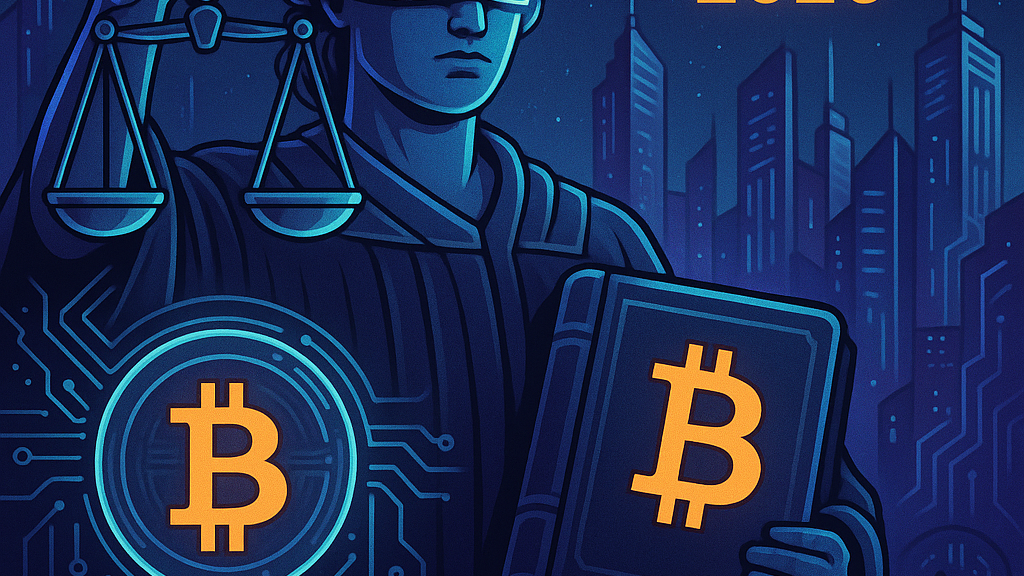
This week, developments in the world of cryptocurrency law have highlighted a significant trend towards the integration of digital assets into the mainstream financial system. This evolution is accompanied by increasing regulatory scrutiny and jurisdictional challenges. As 2026 unfolds, a variety of events has shaped the landscape, including Goldman Sachs’ foray into Bitcoin exchange-traded funds (ETFs), regulatory changes in Pakistan affecting crypto firms, and calls for global coordination on stablecoin regulations.
Goldman Sachs has officially submitted an application to the U.S. Securities and Exchange Commission for the approval of a Bitcoin ETF. This move signifies a growing institutional acceptance of digital currencies, as it aligns crypto investments with traditional financial instruments. The continued interest from major financial institutions suggests that cryptocurrencies are progressively being integrated into regulated investment channels, further dissolving the lines that separate conventional finance from the digital asset market.

In Pakistan, a notable policy shift was announced by the central bank, allowing licensed virtual asset service providers to access the banking infrastructure. This transition marks a significant move away from previous restrictions to a more regulated framework that emphasizes compliance. The implementation of rigorous verification processes and anti-money laundering measures encourages a more integrated approach to cryptocurrency, reflecting a global shift towards regulated participation rather than outright bans.
Furthermore, the Bank for International Settlements has raised alarms regarding the fragmented regulation of stablecoins, which could lead to instability in financial systems. They have advocated for coordinated international regulation to mitigate risks associated with inconsistent oversight, as stablecoins increasingly serve as a primary payment mechanism.
Meanwhile, French officials have voiced their support for euro-denominated stablecoins, citing concerns over reliance on the U.S. dollar in digital transactions. They emphasize the importance of establishing a strong legal framework to protect European financial interests in the evolving landscape of payment systems.

Lastly, legal tensions are brewing in New York, where the Attorney General has initiated a lawsuit against cryptocurrency platforms Coinbase and Gemini. The claims allege that their prediction markets represent illegal gambling under state law, igniting a potential confrontation between state and federal regulators regarding jurisdiction. This situation could set a precedent for how prediction markets are governed across the nation.
The recent developments in crypto law illustrate the increasingly intertwined relationship between digital assets and traditional finance, along with the various challenges that arise in adapting regulatory frameworks to this evolving sector. As these trends continue to unfold, maintaining compliance and staying informed will be critical for everyone involved in the cryptocurrency space.
Leave the reaction
Elena Rodriguez












Commentaries
Add your comment
Fill in necessary fields and publish