


Impact of Iran’s Hormuz Control on Yuan Oil Transactions
We have always followed the principles of transparency and clear information. Some of our content includes affiliate links, and we may earn a small commission through these partnerships. These partnerships do not influence our editorial independence or opinion. By using our site, you accept our privacy policy and terms and conditions.


A Web3 and NFT expert, Elena focuses on the evolution of digital art and blockchain gaming for CryptoWinx. She combines technical expertise with a deep…
Cryptocurrency is a high-risk asset class, and investing carries significant risk, including the potential loss of some or all of your investment. The information on this website is provided for informational and educational purposes only and does not constitute financial, investment, or gambling advice. Cryptowinx does not endorse any specific exchange or gaming platform. For more details, please read our terms and full disclaimer.
Cryptowinx navigates the digital asset universe with a dynamic, forward-looking vision. Throughout our evolution, we have followed every market cycle, from vertical rises to corrections, always remaining a solid point of reference for our community. Our team is made up of industry experts and analysts who experience the blockchain ecosystem daily: we constantly monitor Bitcoin’s stability, study the expansion of the Ethereum ecosystem, and analyze the new frontiers of crypto casinos. We are committed to absolute editorial integrity, separating the signal from the noise through rigorous fact-checking and multi-perspective news analysis. In a landscape where innovations emerge in moments, our mission is to simplify complex concepts and offer transparency into what is established and what is still experimental.
Learn more Cryptowinx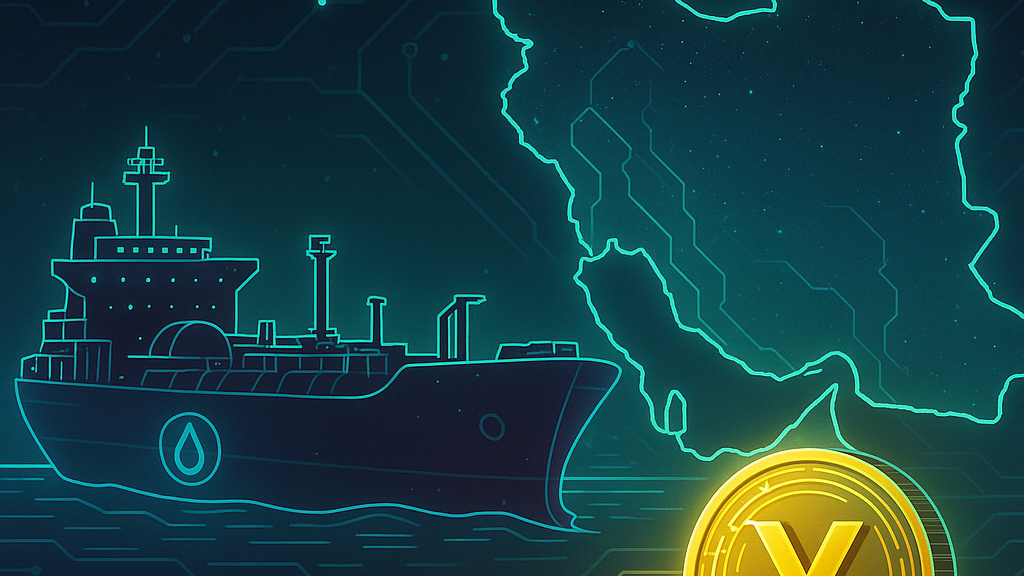
The recent developments surrounding Iran’s dominance in the Strait of Hormuz have led to significant changes in oil payment practices, particularly concerning the use of the Chinese yuan. This shift highlights the evolving landscape of global energy markets as political and economic factors intertwine.
Control over the Strait of Hormuz, a critical passage for global oil shipments, has granted Iran considerable leverage in energy trade. As a result, the country has increasingly favored transactions in the yuan, moving away from traditional dollar-denominated oil payments. This move reflects a broader trend of countries seeking alternatives to the US dollar amid geopolitical tensions.

Market analysts have observed fluctuations in oil prices due to these changes, revealing a complex relationship between political maneuvers and economic outcomes. The impact on global oil markets is profound, as a shift to the yuan for oil transactions could redefine trading dynamics and diminish the influence of the US dollar in the energy sector.
Furthermore, this transition signifies a growing alignment between Iran and China, suggesting a strategic partnership that could reshape future energy collaborations. Such an alliance underscores the importance of considering both geopolitical factors and economic strategies when analyzing market trends.
In light of these developments, investors are advised to remain vigilant. The volatility in oil prices linked to Iran’s actions may prompt a reevaluation of strategies across various industries reliant on energy resources. This situation may also encourage other nations to reconsider their payment currencies, further challenging the dollar’s long-standing supremacy.

As Iran continues to assert its influence over such a vital shipping route and embraces the yuan, it signals a pivotal moment for international oil markets. The ramifications of these changes will likely be felt across the globe, potentially altering the pathways of energy trade for years to come.
Leave the reaction
Elena Rodriguez








Commentaries
Add your comment
Fill in necessary fields and publish